


From circulation and lung capacity to micro‑oxygen delivery, oxygenation may dramatically influence energy, clarity, and long-term health.
Oxygen Is Life — And Your Cells Feel It
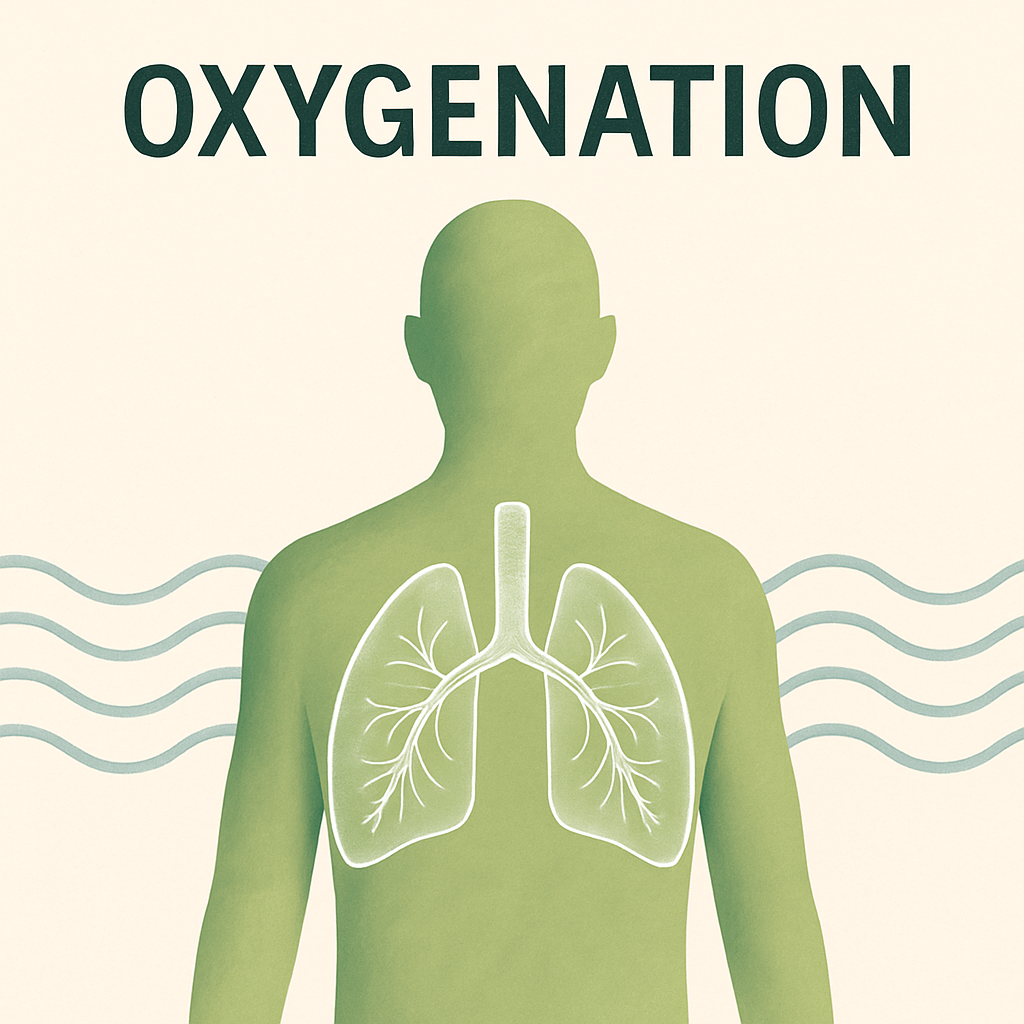
Why Oxygenation Matters
Your cells depend on oxygen to create energy through mitochondrial function. When oxygen delivery drops—even slightly—you may feel it as fatigue, poor focus, mood issues, slow recovery, and cardiovascular strain.
What influences oxygenation:
Heart health & circulation
Brain clarity & mental stamina
Exercise capacity
Longevity
Mood stability
Tissue repair & resilience
Signs of Low Oxygenation

What Impacts Oxygenation
-
Healthy respiratory movement ensures the body receives adequate oxygen with each breath.
-
Oxygen travels through the bloodstream. Poor macrocirculation and microcirculation may lead to fatigue and slower healing.
-
Iron, B12, folate, and copper help make strong red blood cells—the carriers of oxygen.
-
A strong heart pumps oxygen-rich blood efficiently to every cell.
-
Oxygen is used to create ATP (your cell’s energy). Weak mitochondria = low energy.
-
Chronic stress shifts breathing patterns and reduces effective oxygen exchange.
Lab Considerations
-
CBC (red blood cell count, hematocrit, hemoglobin)
Ferritin + iron panel
B12 + folate levels
Oxygen saturation (pulse oximetry)
Blood pressure & cardiovascular evaluation
Lung exam & breathing pattern analysis
-
EKG
Spirometry (lung capacity)
HRV (stress/parasympathetic balance)
-
Testing helps us understand why oxygenation is low instead of guessing. Fatigue, breathlessness, or poor stamina can come from entirely different root causes—iron deficiency, B12 issues, low folate, weak lung expansion, circulation problems, stress patterns, or mitochondrial deficits. By identifying the true reason your cells aren’t getting enough oxygen, we create a clear, personalized plan that helps you feel better faster.
The Oxygenation Plan

-
Proper breathing technique training (diaphragmatic, slow rhythmic)
Daily walking or light aerobic exercise for circulation
Hydration + minerals to improve blood volume
Iron/B12/folate repletion if low
Postural adjustments to increase lung expansion
-
Aerobic conditioning (30–60 min, 5 days/week)
Light interval training as tolerated
Improving mitochondrial support: CoQ10, ribose, magnesium, carnitine (as indicated by labs)
Stress regulation through breathwork & stretching
-
Continued movement progression
Optional External CounterPulsation (ECP) Therapy for clients with circulation, cardiovascular, or oxygenation deficits
Cold exposure or contrast therapy (optional)
Seasonal lung and immune support