


Your cells need the right balance of water and minerals to function. Proper hydration may support energy, brain clarity, digestion, circulation, and detoxification.
Hydration Is More Than Drinking Water
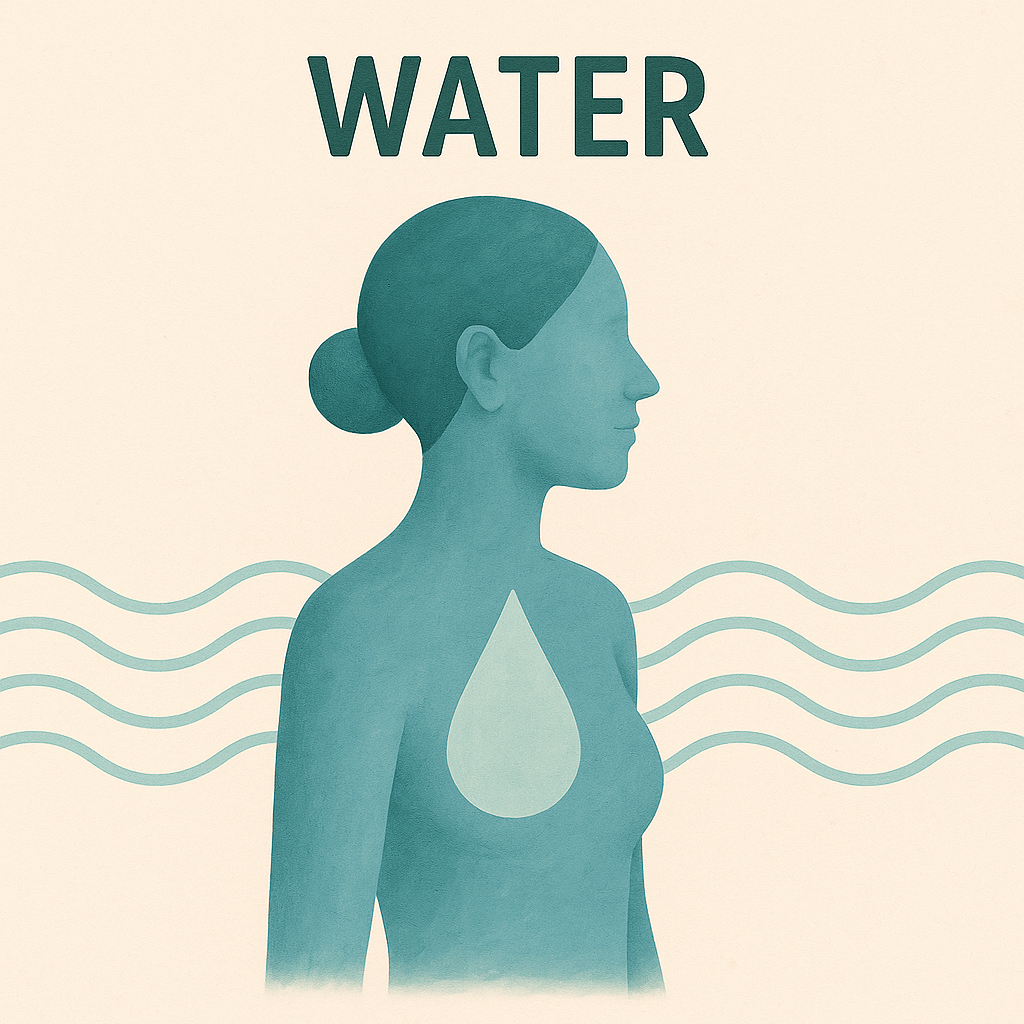
Why Water Matters
Water is the foundation of nearly every biological process. It cushions organs, transports nutrients, regulates temperature, drives detoxification, and supports metabolism.
Even mild dehydration may contribute to:
Fatigue or low energy
Reduced concentration or brain fog
Headaches
Muscle cramps or joint stiffness
Digestive sluggishness
Dry skin or brittle nails
Dizziness or low blood pressure
Poor exercise recovery
Hydration vs. Absorption
Many people drink enough water but still feel dehydrated. Why? Because hydration depends on:
Electrolyte balance (sodium, potassium, magnesium)
Mineral status (trace minerals support cellular water transport)
pH balance
Healthy kidneys and adrenal glands
Gut absorption
Blood sugar stability
Hydration isn’t just about water intake—it’s about how well your cells hold and use that water.
Signs You May Not Be Hydrating Efficiently

What Impacts Hydration?
-
Tap water often contains chlorine, fluoride, microplastics, pharmaceuticals, and other contaminants that stress detoxification.
-
Minerals help water move into cells. Without them, water passes quickly through without fully hydrating you.
-
Adrenals regulate sodium and potassium balance, which impacts fluid retention and energy.
-
Kidneys control water balance, blood pressure, and filtration.
-
Unstable blood sugar can trigger dehydration symptoms.
-
Absorption issues can lead to chronic dehydration even with adequate intake.
Lab Considerations
-
CMP panel: electrolytes, sodium/potassium balance
Magnesium (RBC when indicated)
Calcium levels
BUN/creatinine ratio
CO₂/bicarbonate (acid-base balance)
Fasting glucose & insulin
Hydration-focused urinalysis (specific gravity, pH)
-
Hair Analysis for mineral balance
GI testing for absorption issues
Hormone testing (if adrenal fatigue suspected)
Body Composition Analysis
-
Hydration involves more than how much water you drink. Testing shows us:
Kidney function (creatinine, BUN, eGFR)
Electrolyte balance (sodium, potassium, chloride)
Minerals involved in fluid regulation (magnesium, calcium, zinc)
Inflammation that affects hydration
Blood sugar markers that disrupt fluid balance
pH and bicarbonate levels
Testing helps determine why hydration is low and how to correct it efficiently.
The Hydration Plan

-
Increase water intake to appropriate level (based on weight/activity)
Add electrolytes or mineral-rich sea salt
Balance meal timing (“Royal Diet”) for blood sugar stability
Improve gut absorption with digestion-focused support
-
Trace mineral supplementation as indicated
Kidney and adrenal support
Hydrating foods (cucumber, melon, citrus, broth)
Exercise to improve circulation and lymphatic flow
-
Seasonal hydration changes
Long-term mineral tracking (HTMA annually)
Adjust water intake for stress, exercise, and temperature