


From pollutants and pesticides to plastics and heavy metals, modern life exposes us to more chemical stressors than ever. Supporting detoxification may reduce inflammation, improve energy, and protect long-term health.
Your Body Was Designed to Detox — Let’s Help It Thrive
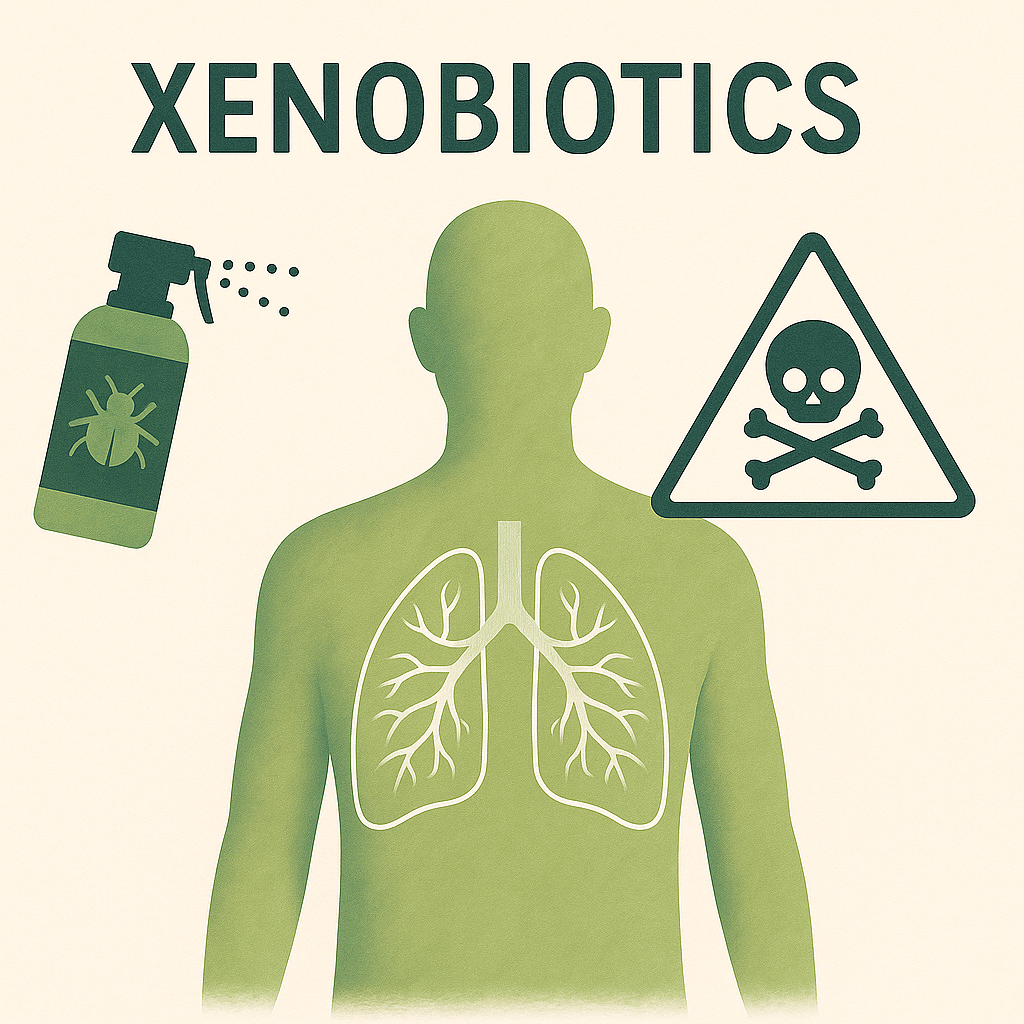
What Are Xenobiotics
"Xenobiotics" refers to any chemical compound foreign to the human body—things our biology was not designed to process in large amounts. These include pesticides, herbicides, infections, plastics, solvents, pharmaceuticals, heavy metals, artificial fragrances, preservatives, endocrine disruptors, and food additives.
Your body has natural detoxification systems, but today’s environmental load is higher than ever before.

Why Xenobiotics Matter
Toxic burden may contribute to:
Fatigue & low energy
Hormonal imbalances (thyroid, estrogen, testosterone)
Cancer
Headaches & brain fog
Allergies or chemical sensitivities
Weight loss resistance
Skin problems (acne, eczema)
Liver congestion & poor digestion
Sleep disturbances
Mood shifts or irritability
Immune dysfunction
Xenobiotics don’t cause disease alone—but they may increase vulnerability and stress on your detox organs.
Common Sources of Xenobiotics
-
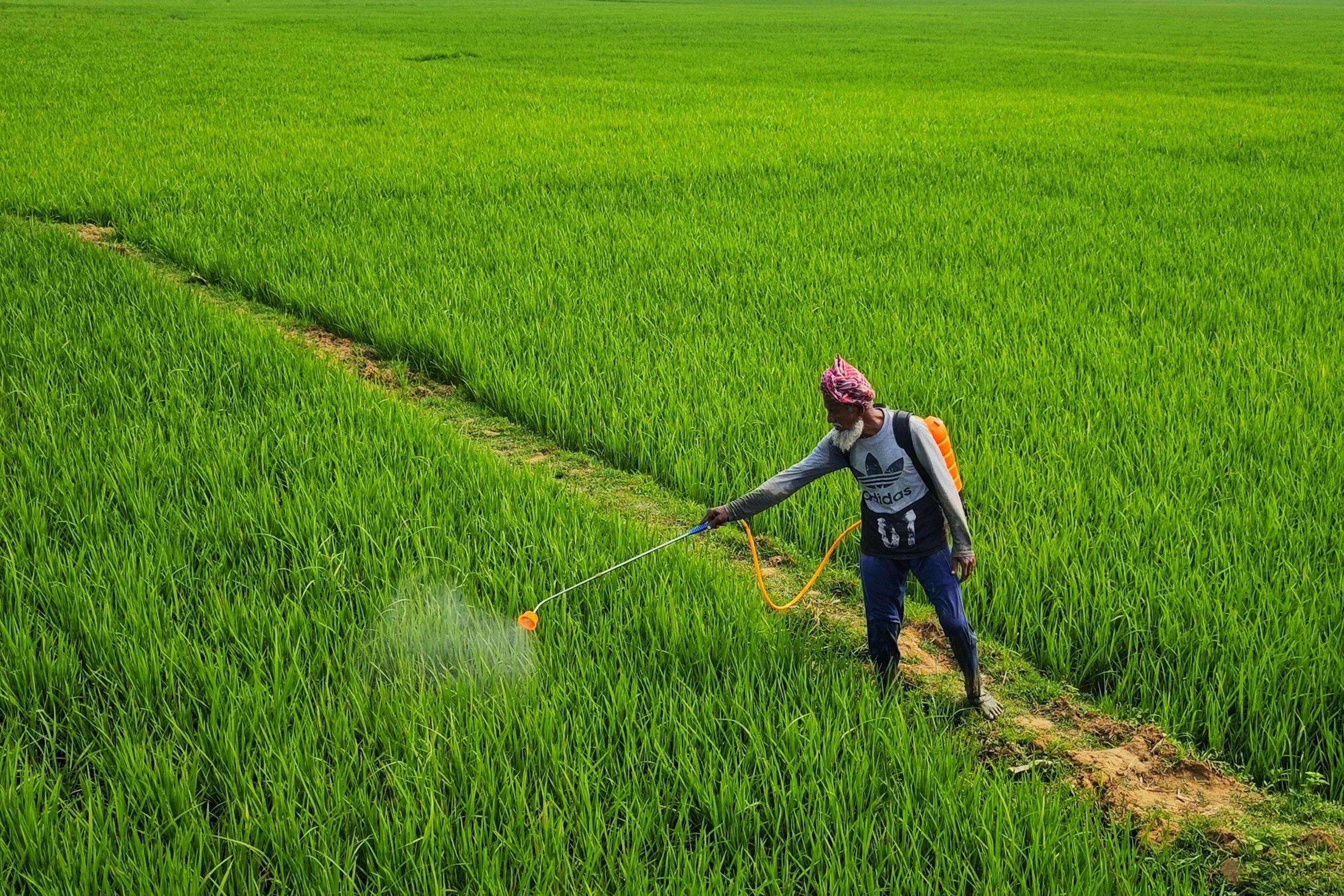
Pesticides & Herbicides
Conventional produce, landscaping chemicals
-

Plastics & Microplastics
Bottles, packaging, food storage
-

Heavy Metals
Old pipes, dental materials, pollution, seafood
-
Pharmaceutical Residues
Long-term medication use can impact nutrient stores
-

Household Chemicals
Cleaners, Fragrances, Laundry Products
-

Cosmetics & Skincare
Parabens, Phthalates, Preservatives
-

Air Pollutants
Car Exhaust and Industrial Areas
-

Water Contaminants
Chlorine, Fluoride, Solvents

Signs Your Detox Pathways May Be Overloaded
Lab Considerations
-
Liver function tests (ALT, AST, ALP, bilirubin)
Kidney markers (BUN, creatinine, eGFR)
CRP and inflammation markers
Mineral balance (zinc, copper, selenium, magnesium)
RBC copper/zinc ratios
Glutathione status (via indirect markers)
-
HTMA for heavy metals & mineral balance
GI-MAP for microbiome, pathogens, detox enzymes, beta-glucuronidase
Urinary organic acids for phase I/phase II detox pathway function
Stool analysis for bile acids and fat digestion
-
Detoxification relies on several organ systems—liver, kidneys, gut, lymphatic system, lungs, and skin. When these pathways are stressed or nutrient-deficient, toxins may build up.
We test because:
Liver enzymes and nutrient cofactors reveal how well detox pathways are functioning
Minerals like zinc, copper, selenium, and molybdenum support phase I & phase II detox
Heavy metals may burden mitochondria and hormones
GI testing shows whether gut bacteria are helping or hindering detox
We can target support instead of guessing
Testing helps determine which detox pathways need help—and which nutrients are being depleted.
The Detoxification Plan

-
Swap to low-tox personal care and cleaning products
Filtered water & improved air quality
Reduce plastics (food storage, water bottles)
Choose organic produce when possible (Dirty Dozen list)
-
Hydration + electrolytes
Fiber to bind and eliminate toxins
Antioxidants (vitamin C, E, A as indicated)
Liver cofactor nutrients: B vitamins, magnesium, selenium, zinc, NAC, glutathione precursors
Gentle movement & sweating (sauna optional)
-
Specific support based on labs (e.g., milk thistle, dandelion, bitters)
Address gut health to lower reabsorption of toxins
Mineral repletion from HTMA patterns
Hormone balancing to reduce toxic load