Hormones and Health: The Ultimate Woman’s Wellness Guide
Hot flashes, fatigue, mood swings, weight gain, and irregular cycles aren't simply things women have to live with. Discover a comprehensive, natural approach to hormone health that addresses the root causes of imbalance and supports lasting wellness.
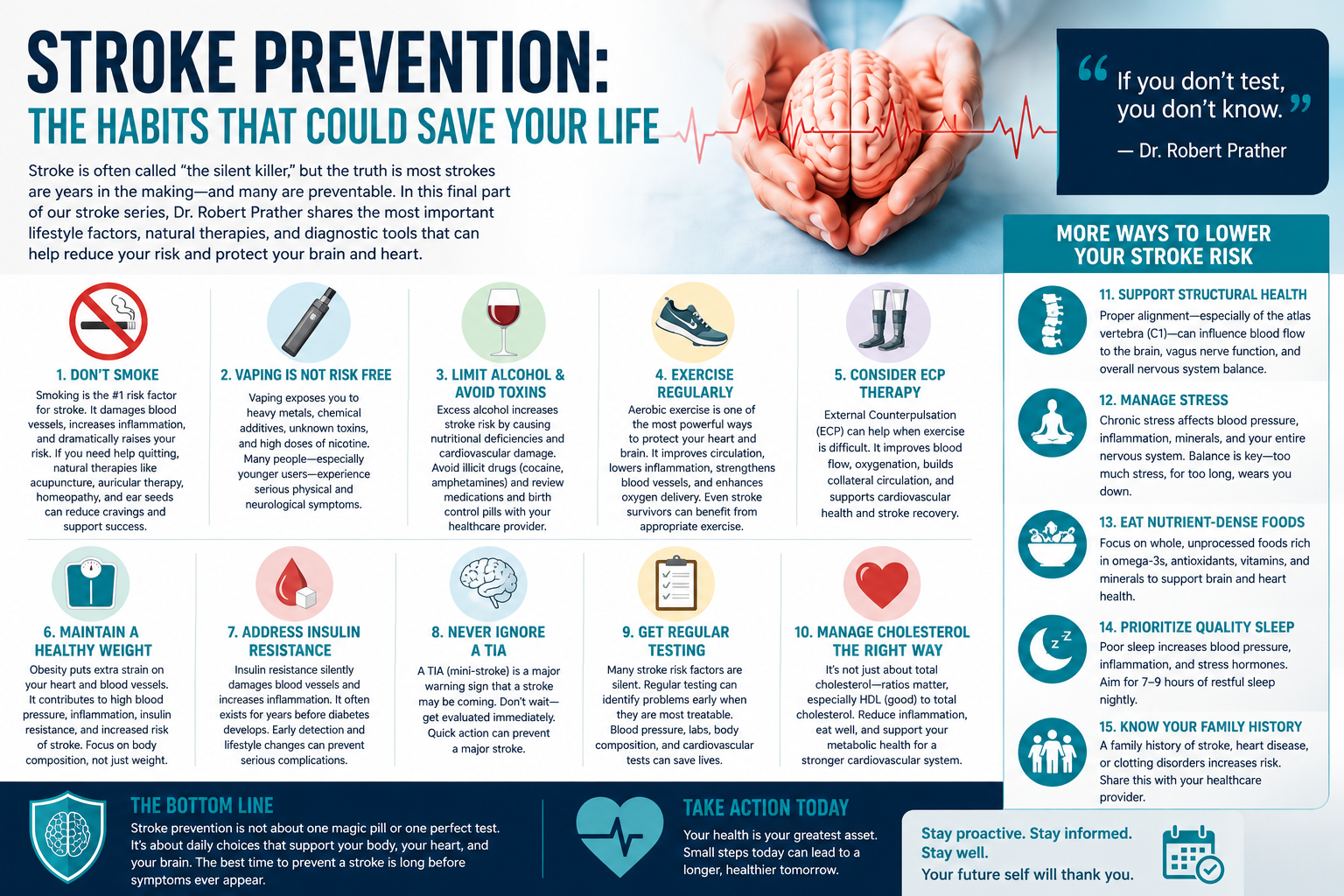
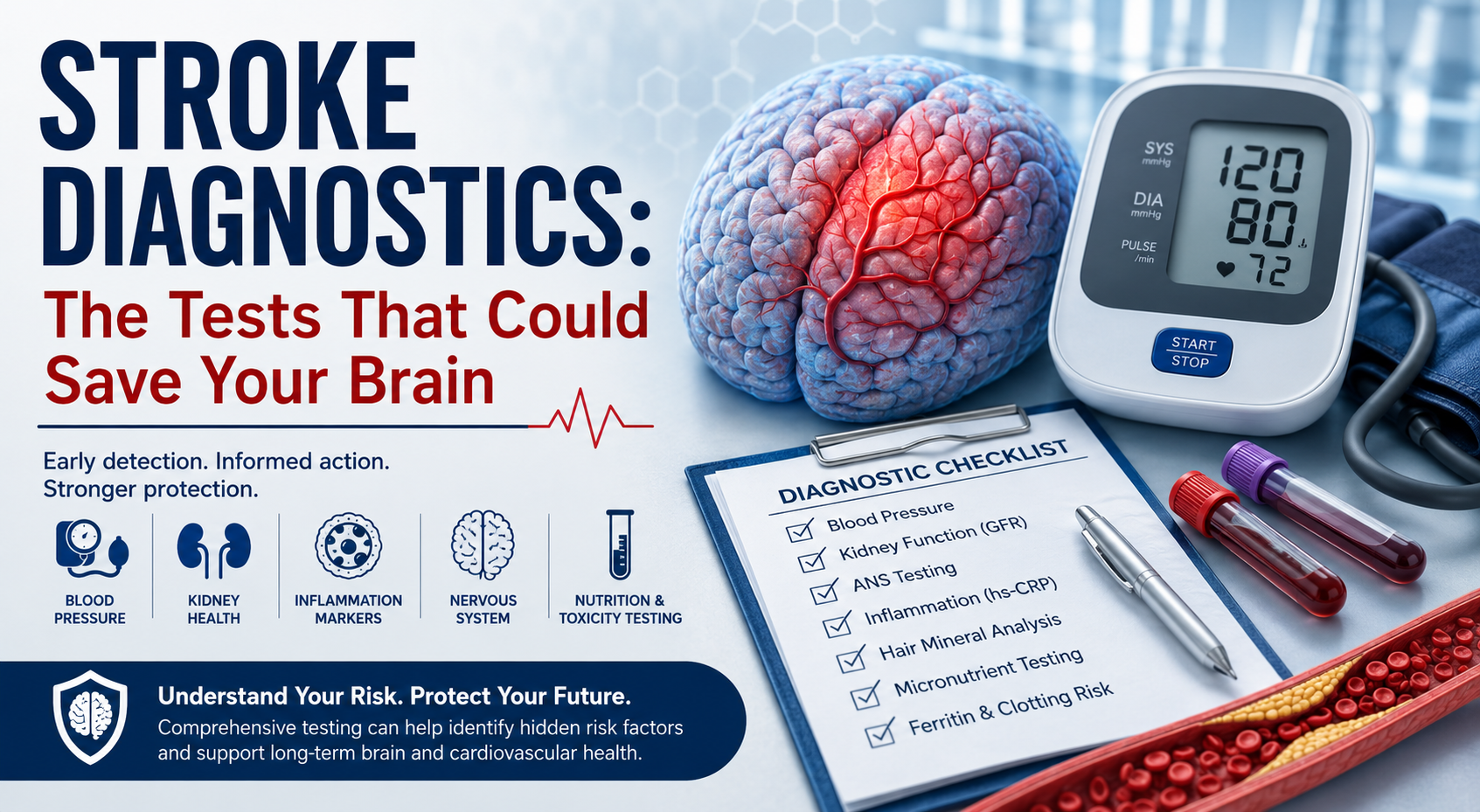
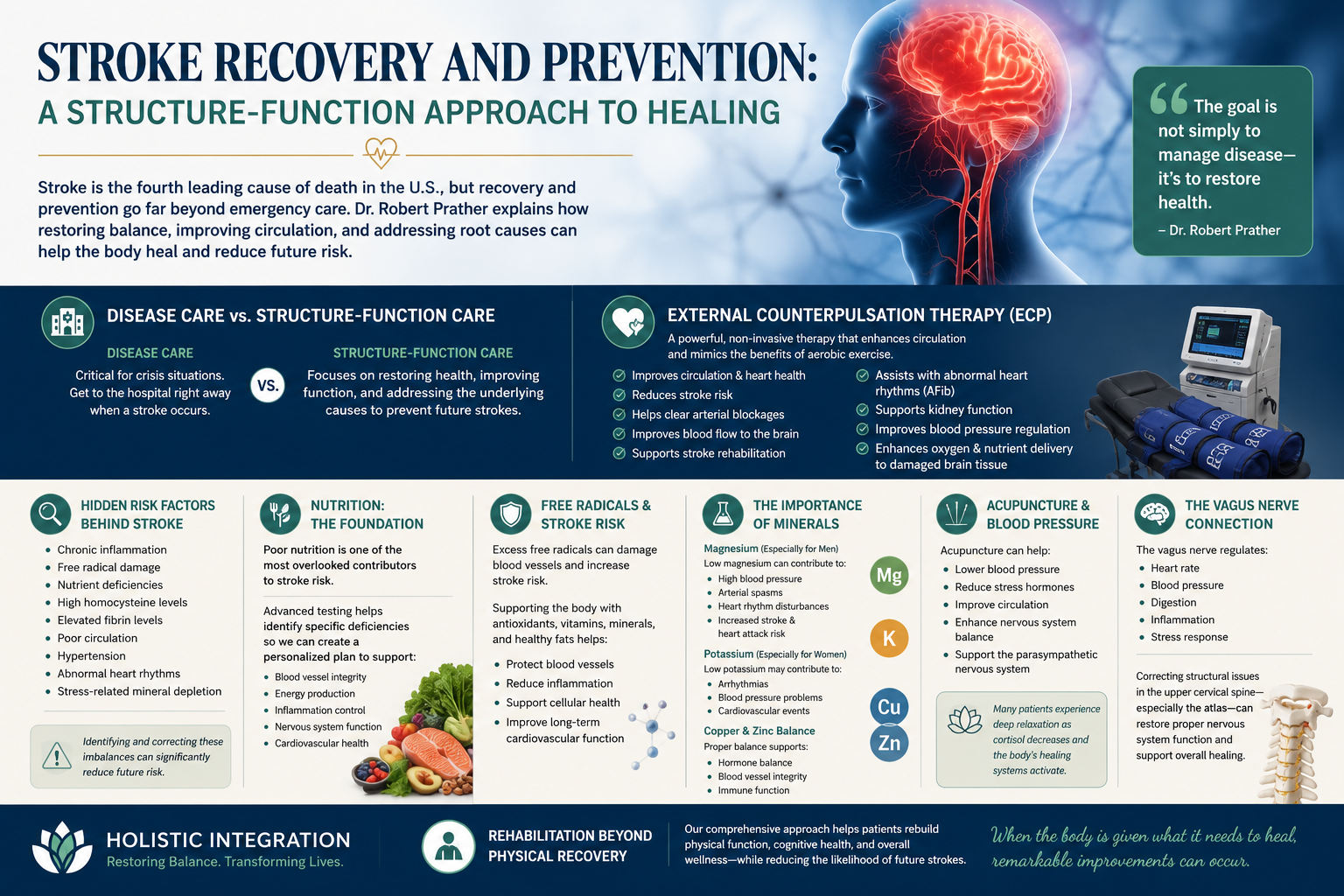
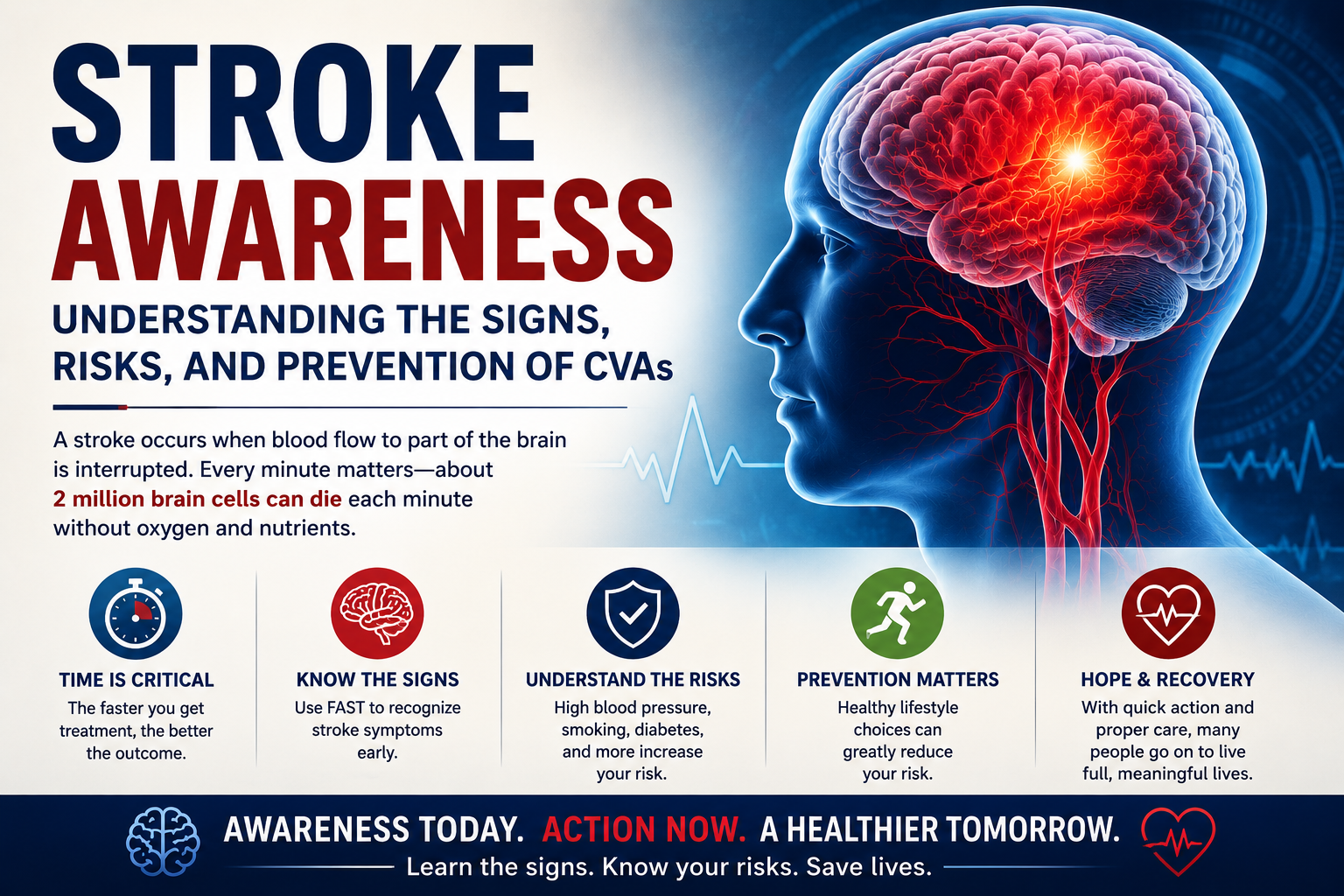
Stroke Awareness: Understanding the Signs, Risks, and Prevention of CVAs
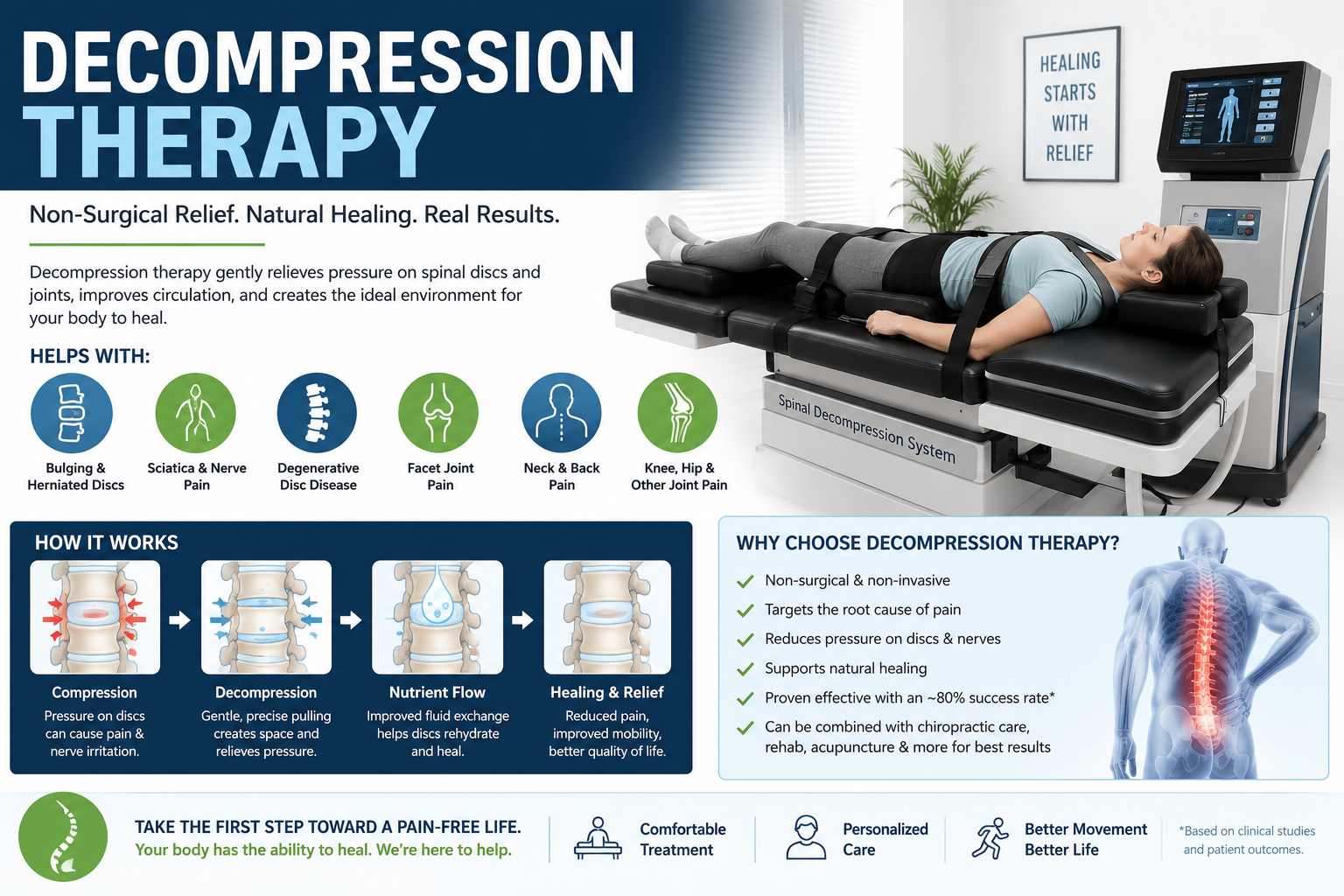
Stroke awareness starts long before a medical emergency.
Understanding the warning signs of stroke — including sudden numbness, confusion, dizziness, vision changes, and severe headaches — can save lives and reduce long-term complications. Prevention also matters. Healthy circulation, balanced blood pressure, proper nutrition, movement, stress management, and lifestyle habits all play an important role in supporting brain and cardiovascular health.
This image serves as a reminder that early recognition, quick action, and proactive wellness can make a life-changing difference.
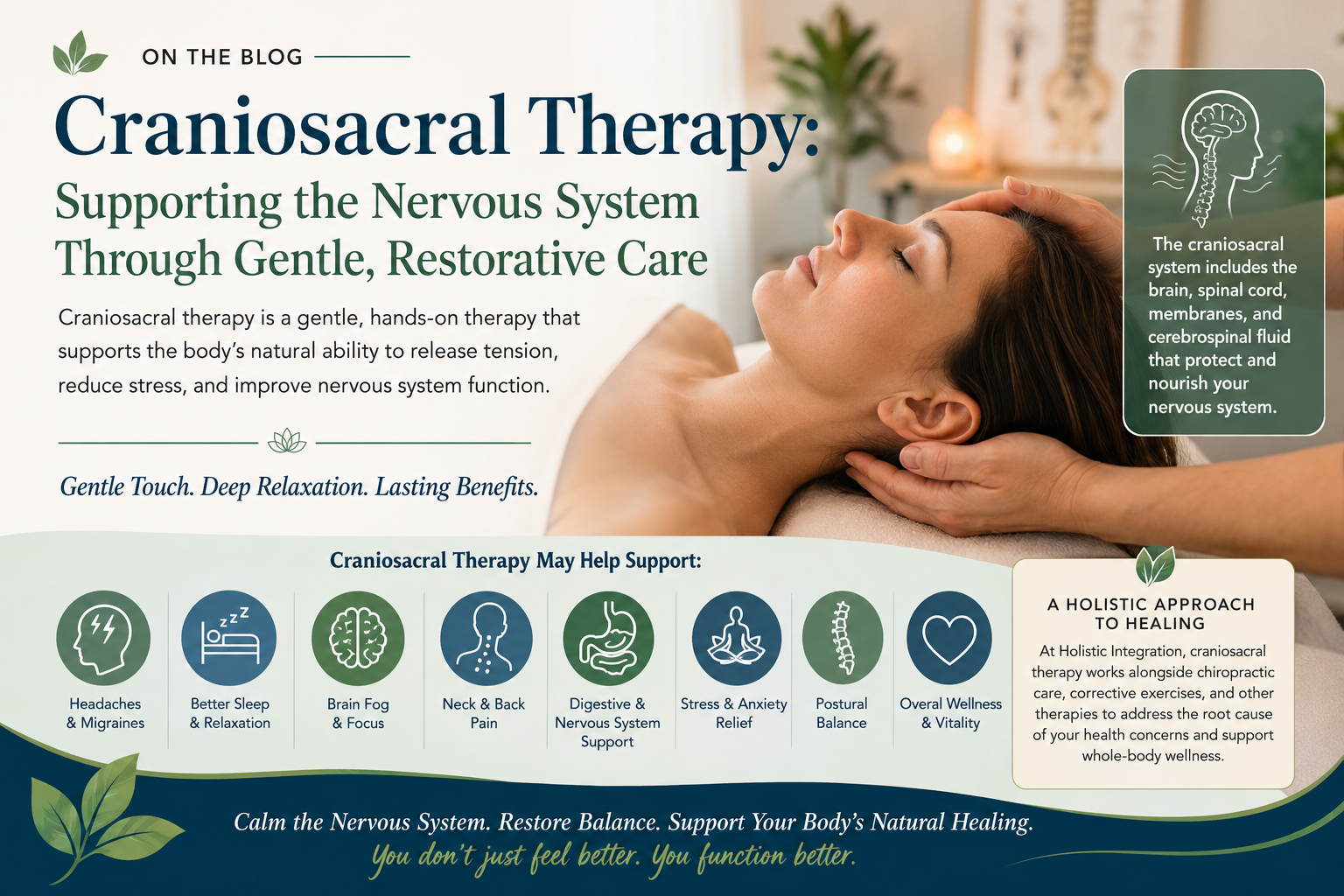
Craniosacral Therapy: Supporting the Nervous System Through Gentle, Restorative Care
Discover how craniosacral therapy may help support the nervous system, reduce stress patterns in the body, and improve overall function naturally. In this episode of Voice of Health, Dr. Prather explores the potential benefits of craniosacral therapy for conditions like autism, chronic tension, headaches, and more—plus hear a powerful patient story about the difference this gentle therapy made in their life.
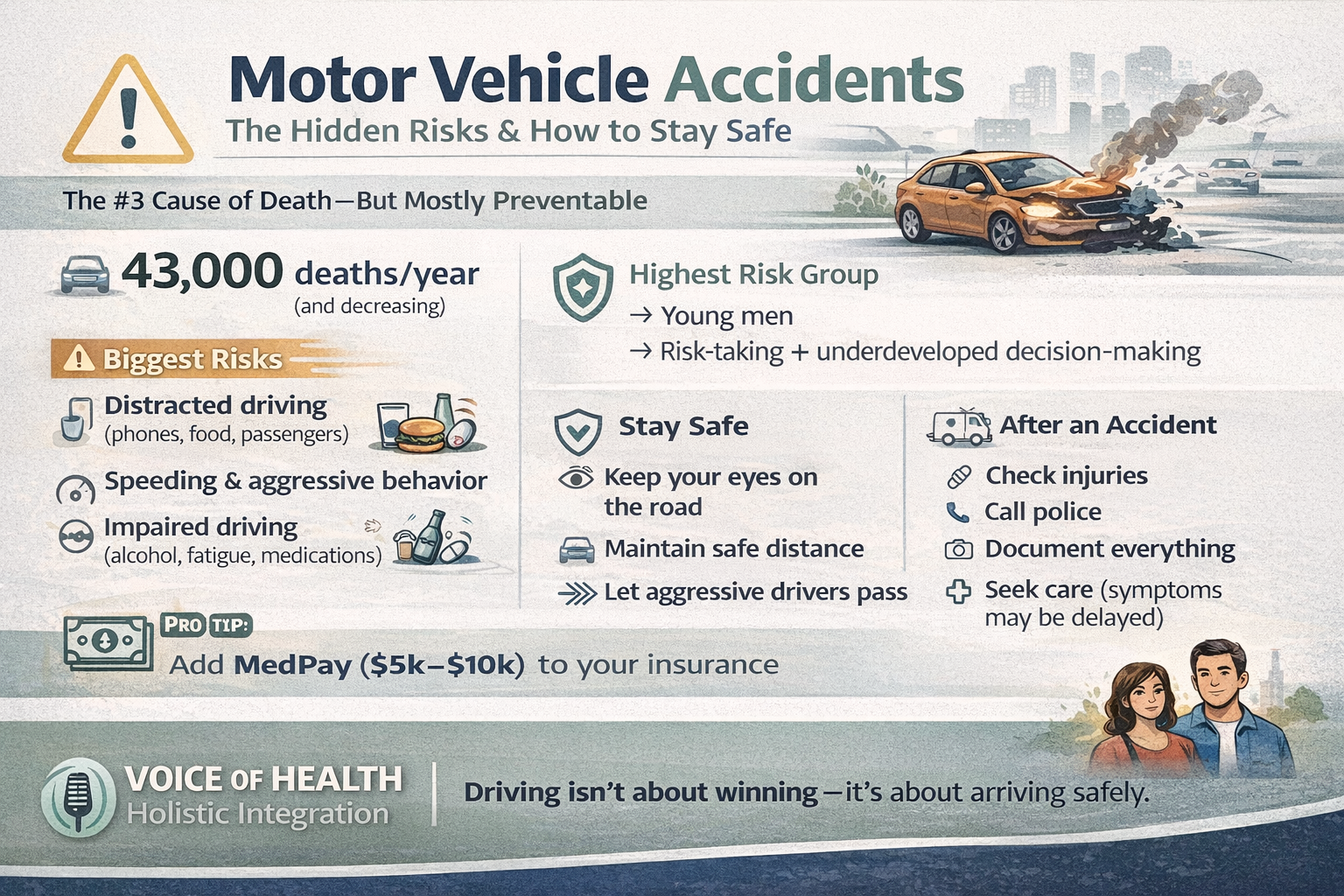
Motor Vehicle Accidents: The Hidden Risks & How to Stay Safe
Every year, tens of thousands of lives are lost to motor vehicle accidents, yet many of these tragedies are entirely preventable. The biggest contributors aren’t mechanical failures, but human behaviors: distraction, impaired driving, and aggressive decision-making behind the wheel.
What’s often overlooked is the connection between our internal state and how we show up on the road. Stress, fatigue, and emotional overload can impair judgment just as much as substances can. As Dr. Prather teaches, our mental and emotional patterns - our “beatitudes” - don’t just shape our thoughts, they influence our physiology and behavior in real time.
When we’re overwhelmed or reactive, we’re more likely to speed, lose focus, or make risky decisions. But when we operate from a grounded, aware state, our driving becomes safer, calmer, and more intentional.
Safety on the road isn’t just about rules it’s about regulation. Keeping your eyes on the road, maintaining distance, and allowing space for others are not just driving strategies; they are reflections of a regulated nervous system.
Because ultimately, driving isn’t about getting there faster, it’s about getting there safely.
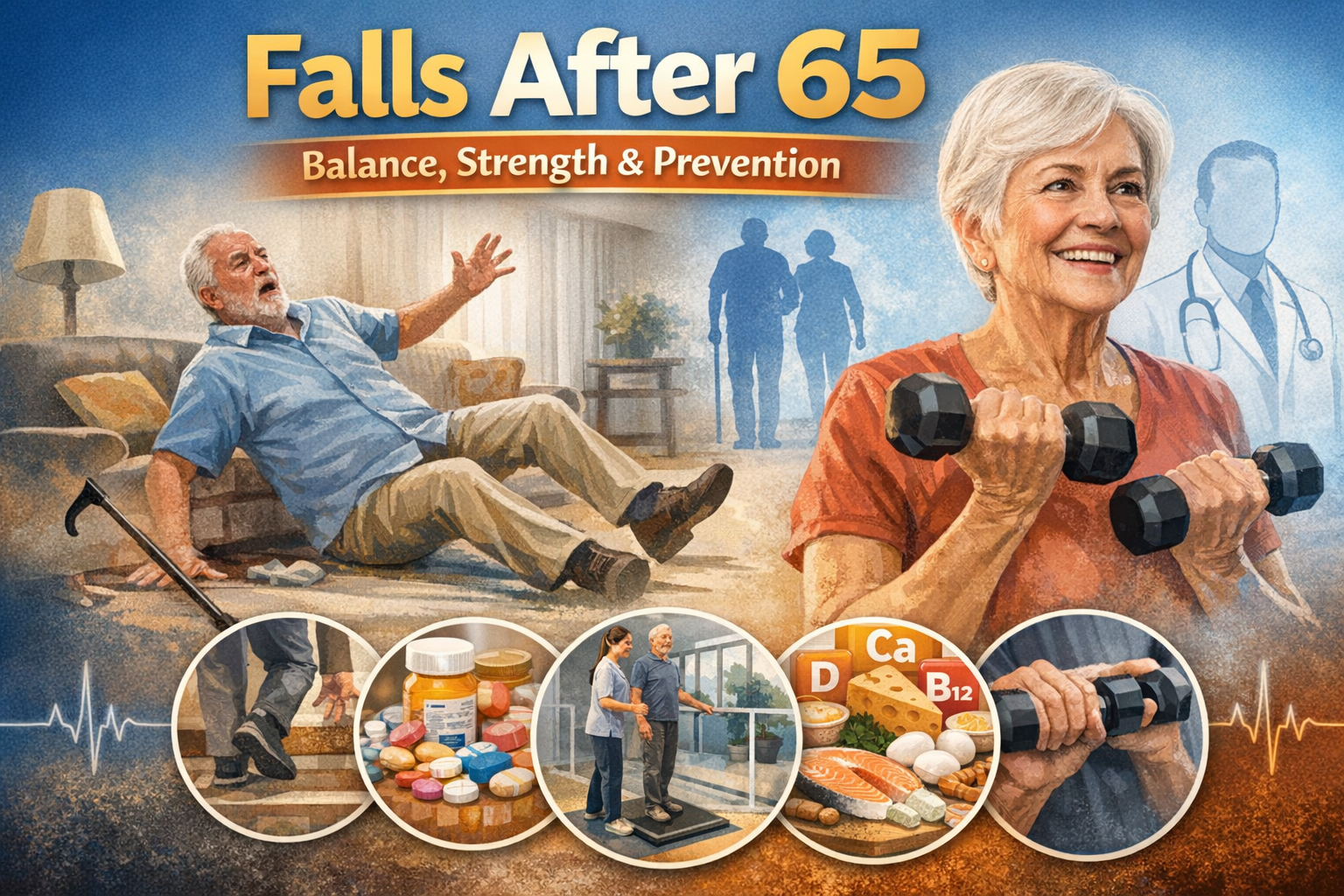
Falls After 65: Why Balance, Strength, and Prevention Matter More Than Ever
Falls after 65 are one of the leading causes of injury, loss of independence, and hospitalization in older adults.
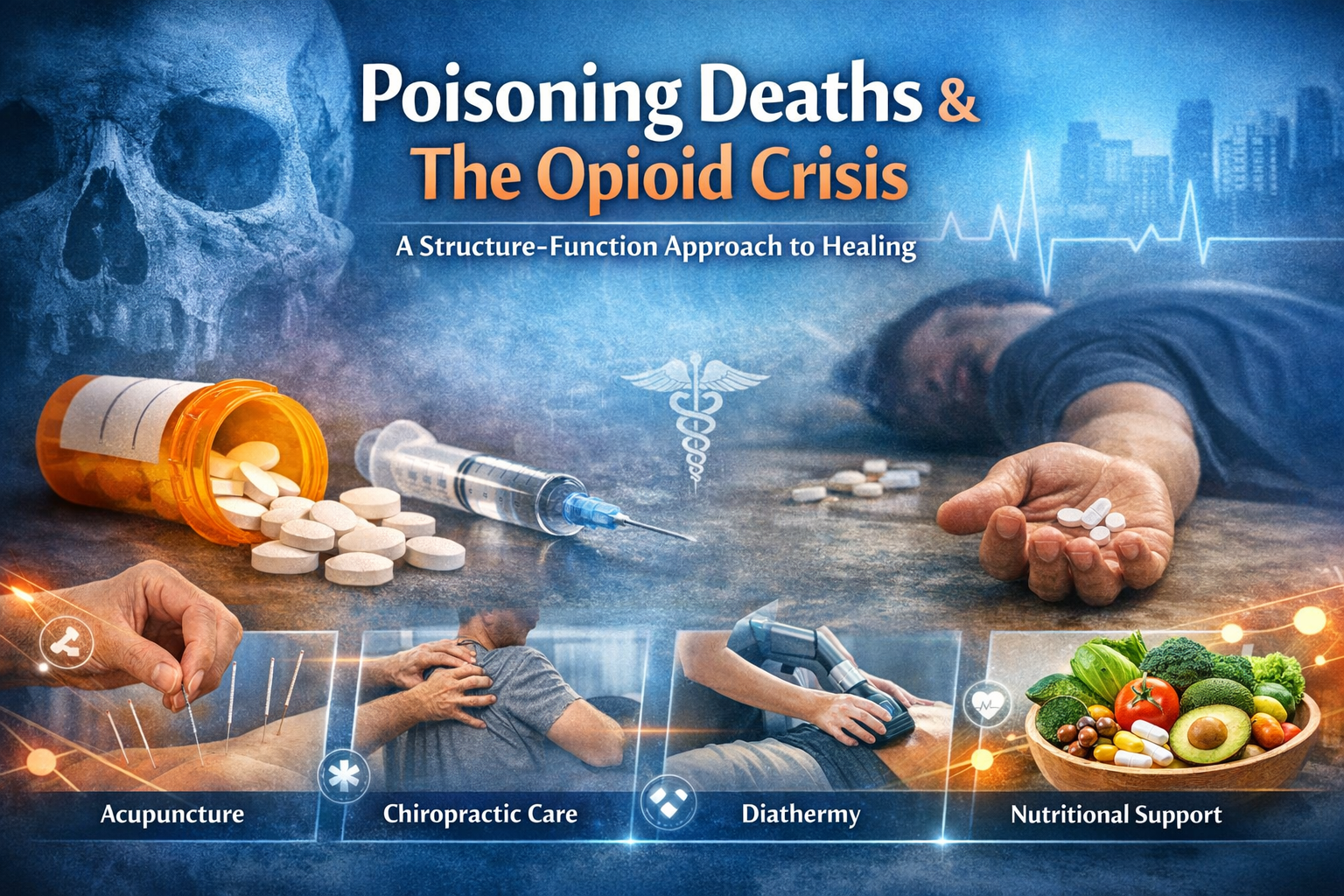
Poisoning Deaths and the Opioid Crisis: A Structure-Function Perspective
Explore how the opioid crisis became a leading cause of poisoning deaths and why a structure-function approach to pain care matters.
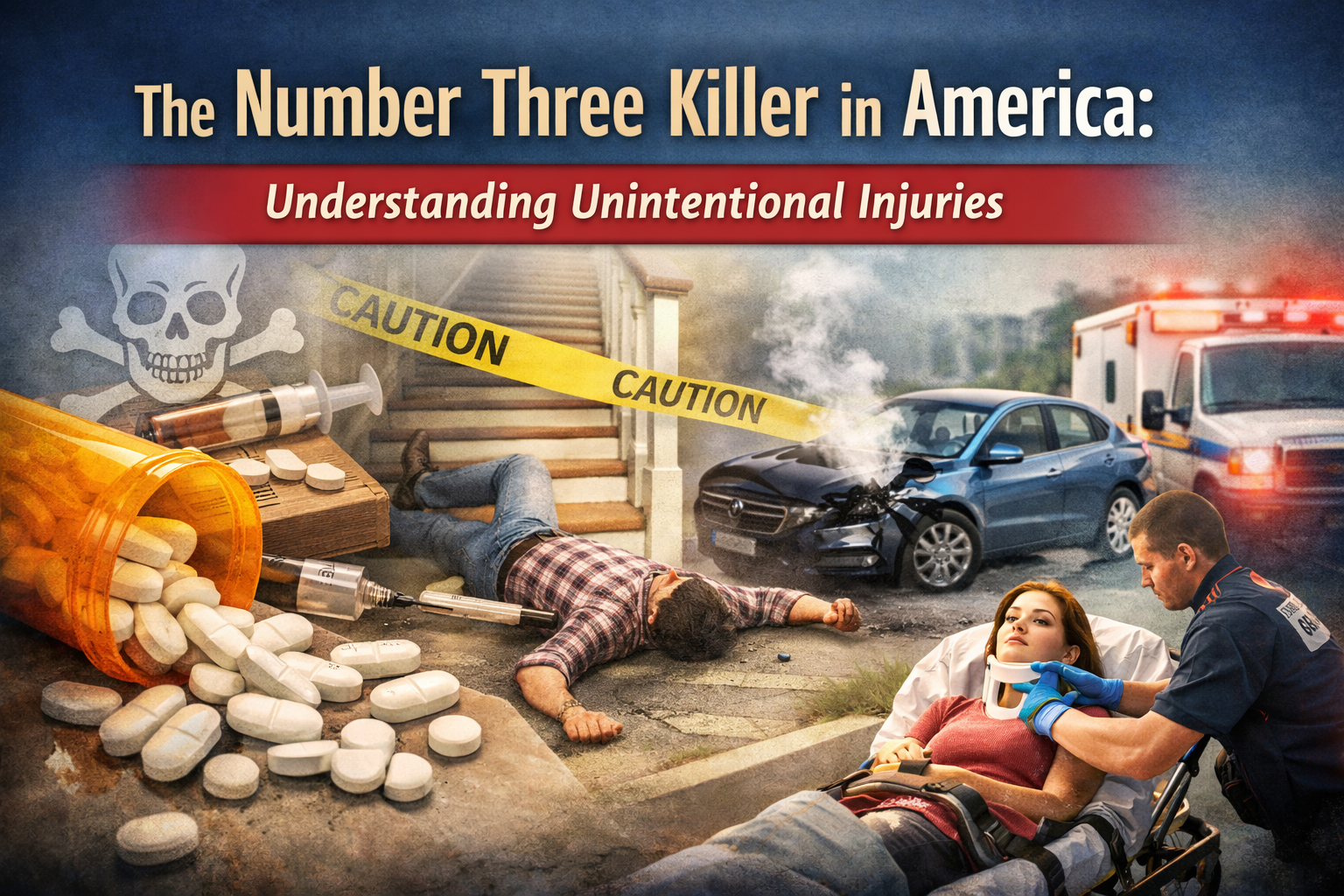
The Number Three Killer in America: Understanding Unintentional Injuries
Unintentional injuries are the third leading cause of death in the United States, yet many people don’t realize how often everyday accidents, like falls, car crashes, and medication mistakes, lead to serious harm. Understanding the most common causes of these injuries and how to prevent them can dramatically reduce risk and help protect you and your family.
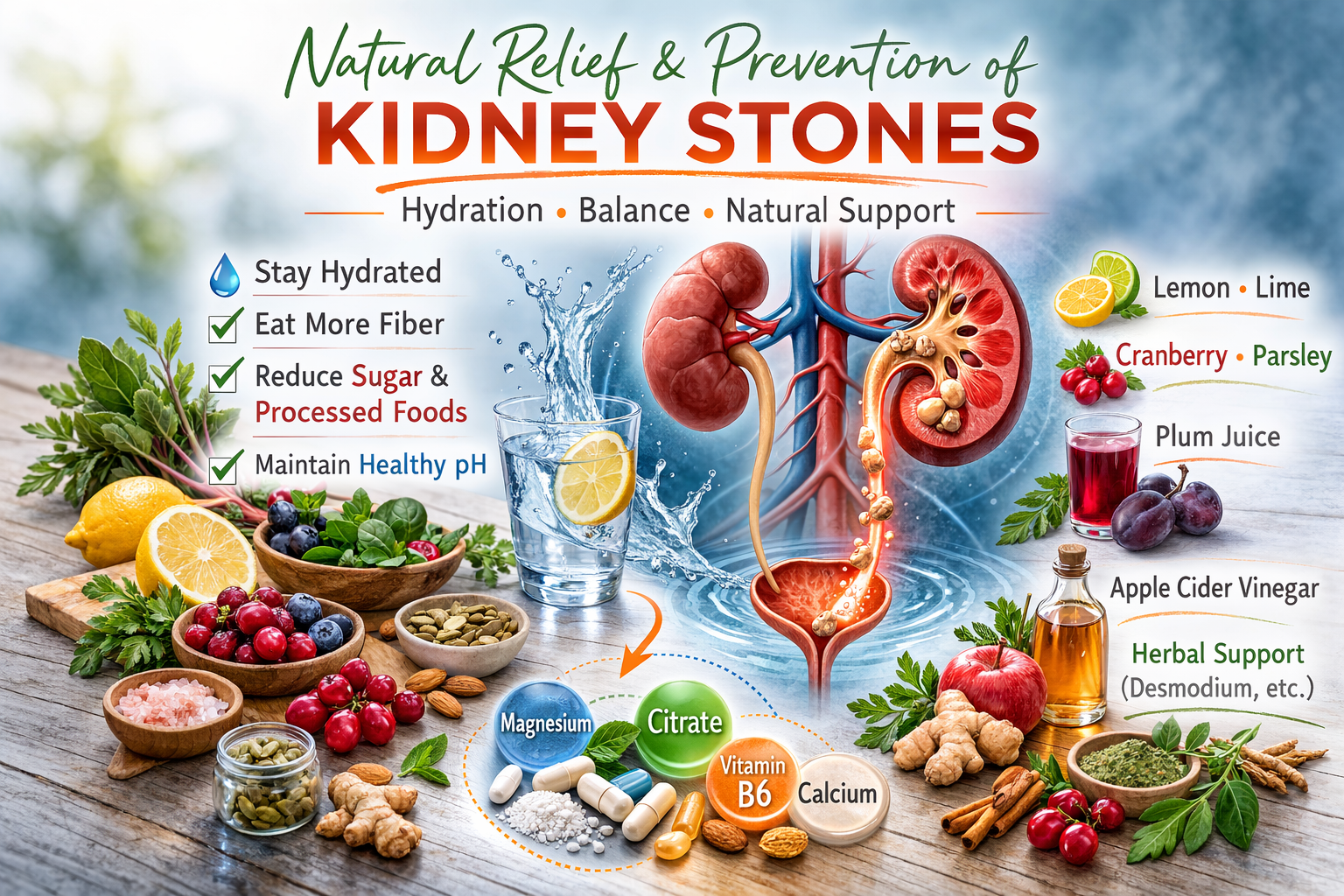
Natural Relief for Kidney Stones: A Structure-Function Approach to Prevention and Support
Kidney stones are often preventable. Learn what causes them, the different types, and how hydration, diet, mineral balance, and pH support may help reduce recurrence naturally.
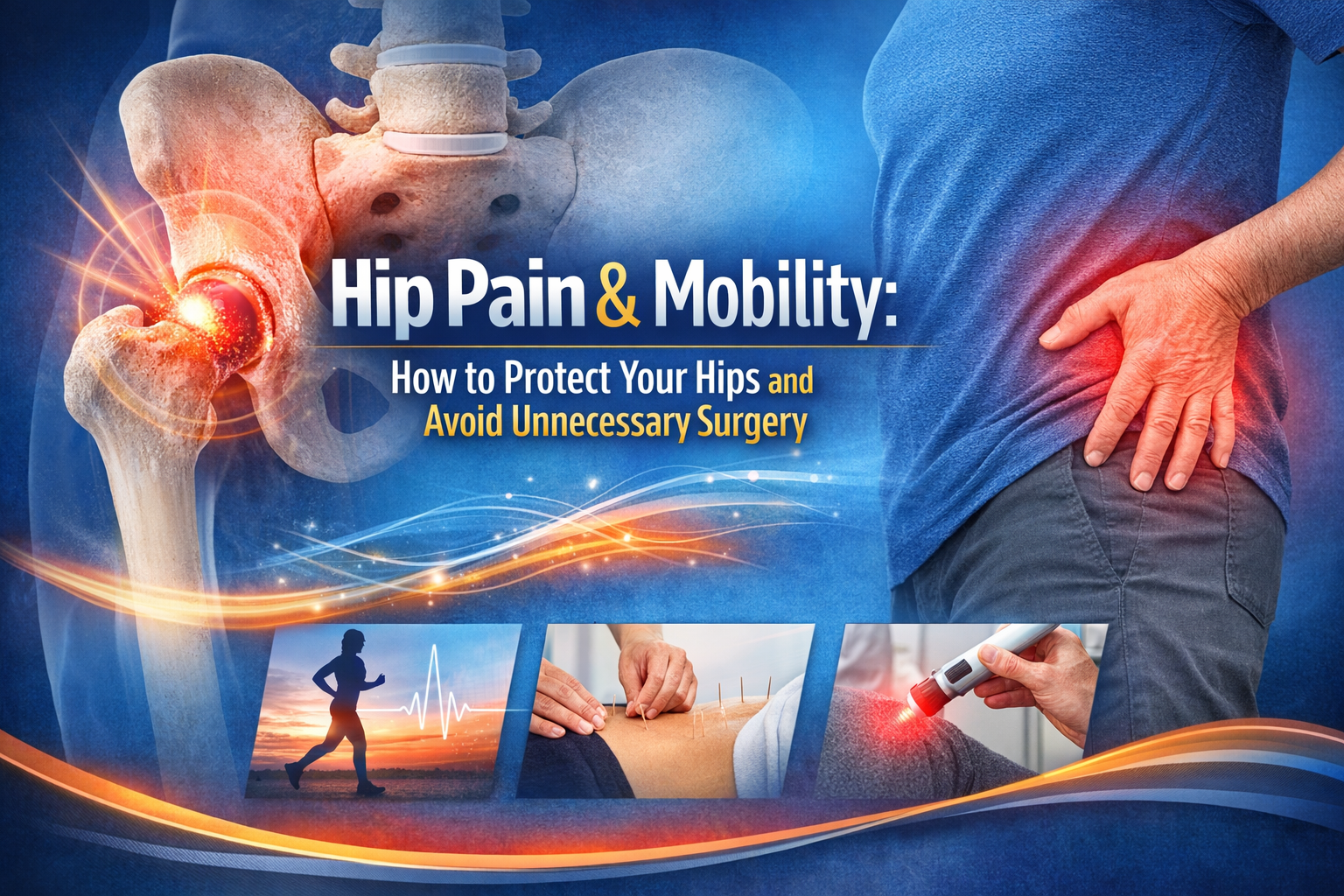
Hip Pain & Mobility: How to Protect Your Hips and Avoid Unnecessary Surgery
Hip pain isn’t just a joint issue it’s often a mobility, muscle balance, and stability problem. Discover how improving movement patterns and strengthening the right structures can protect your hips and help you avoid unnecessary surgery.
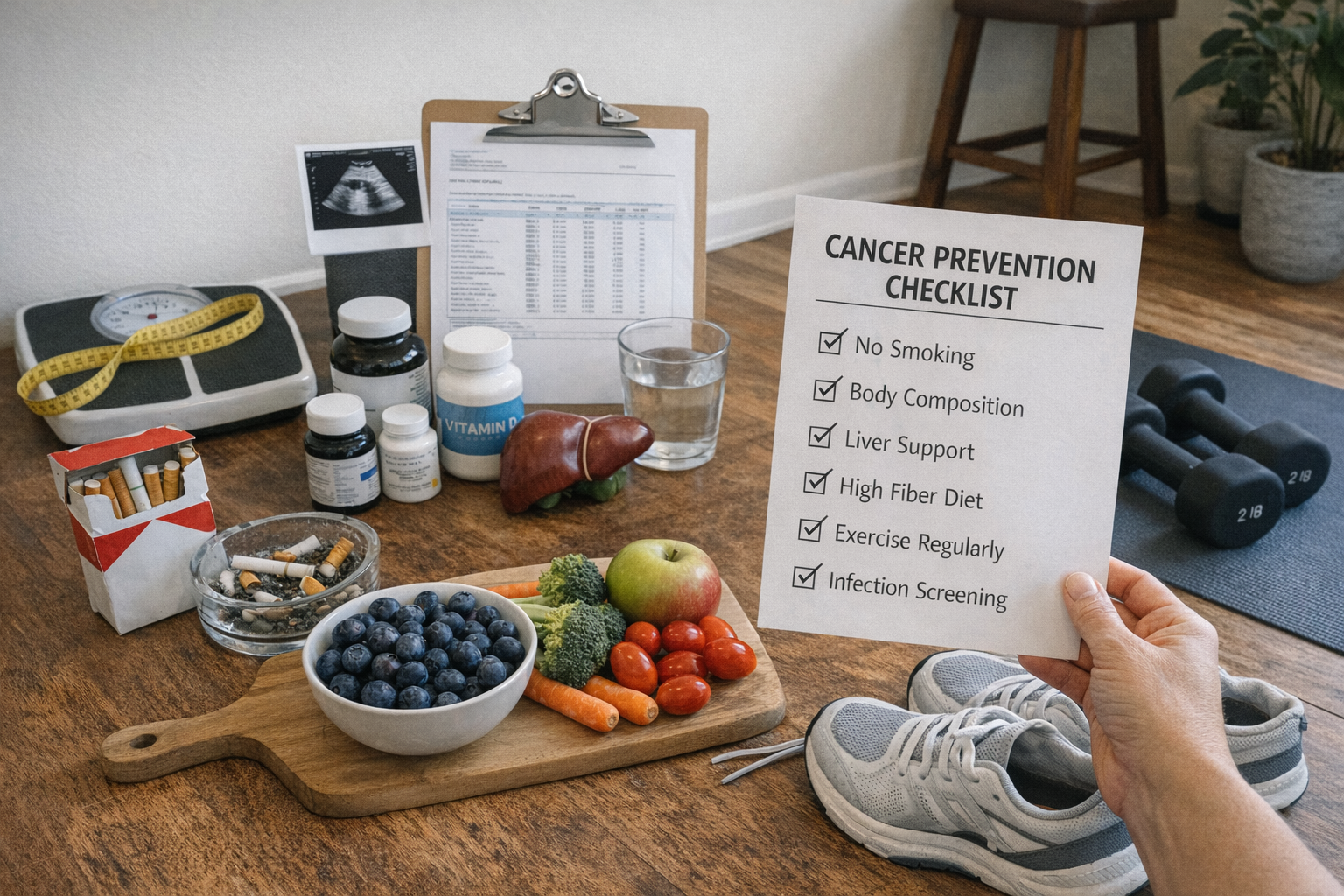
Cancer Prevention: The Habits That Matter Most (and Where to Start)
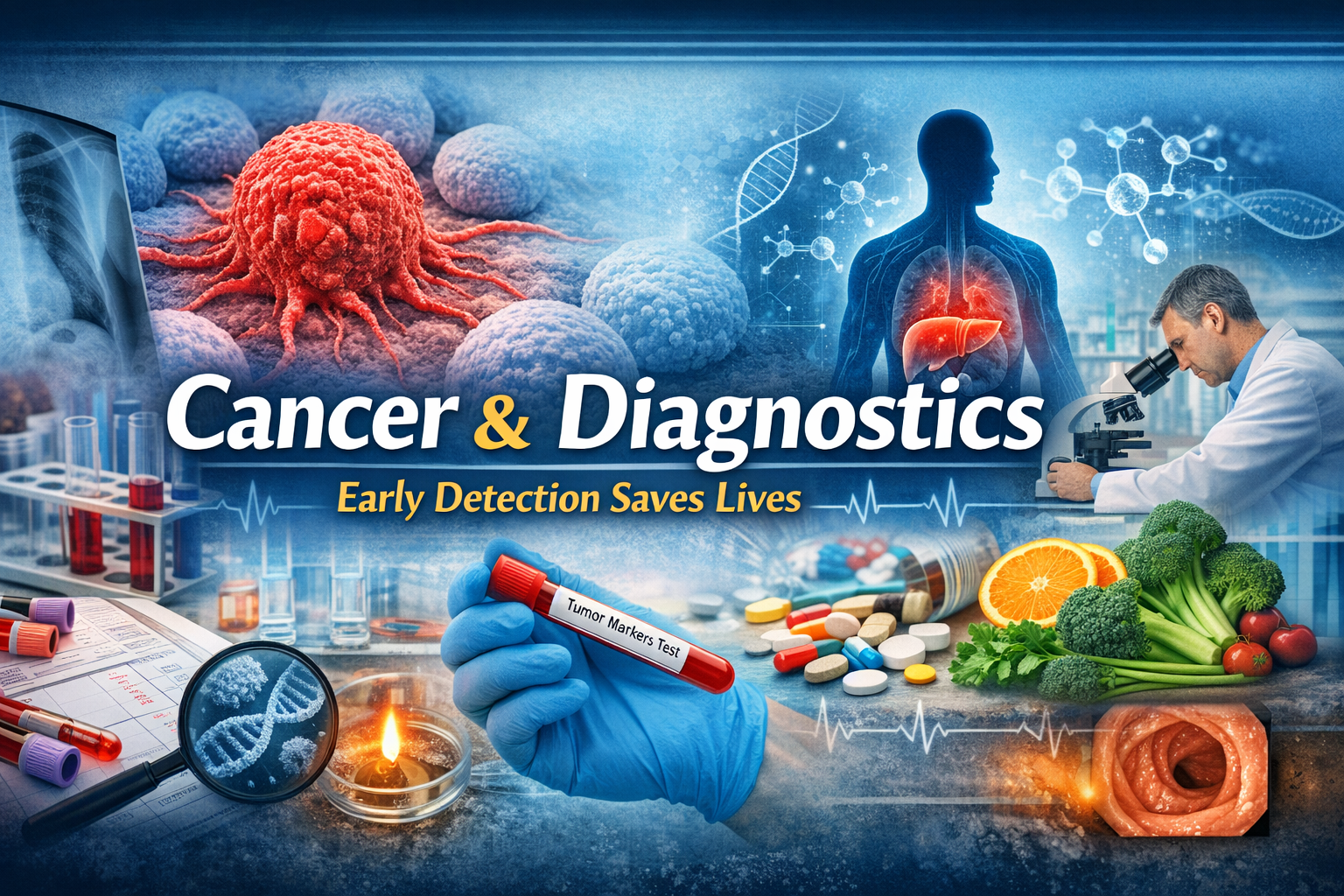
Cancer is the number two killer in America — but what if most cases were preventable? In this final installment of our cancer series, Dr. Prather breaks down the habits that matter most: eliminating smoking, addressing obesity, supporting liver detoxification, improving nutrition, exercising wisely, and managing infections before they become serious. Prevention isn’t complicated — it’s intentional. Learn how simple, consistent lifestyle changes can dramatically reduce your cancer risk and strengthen your body’s natural defenses.
Cancer, Part II: Treatment - Through Structure-Function Care
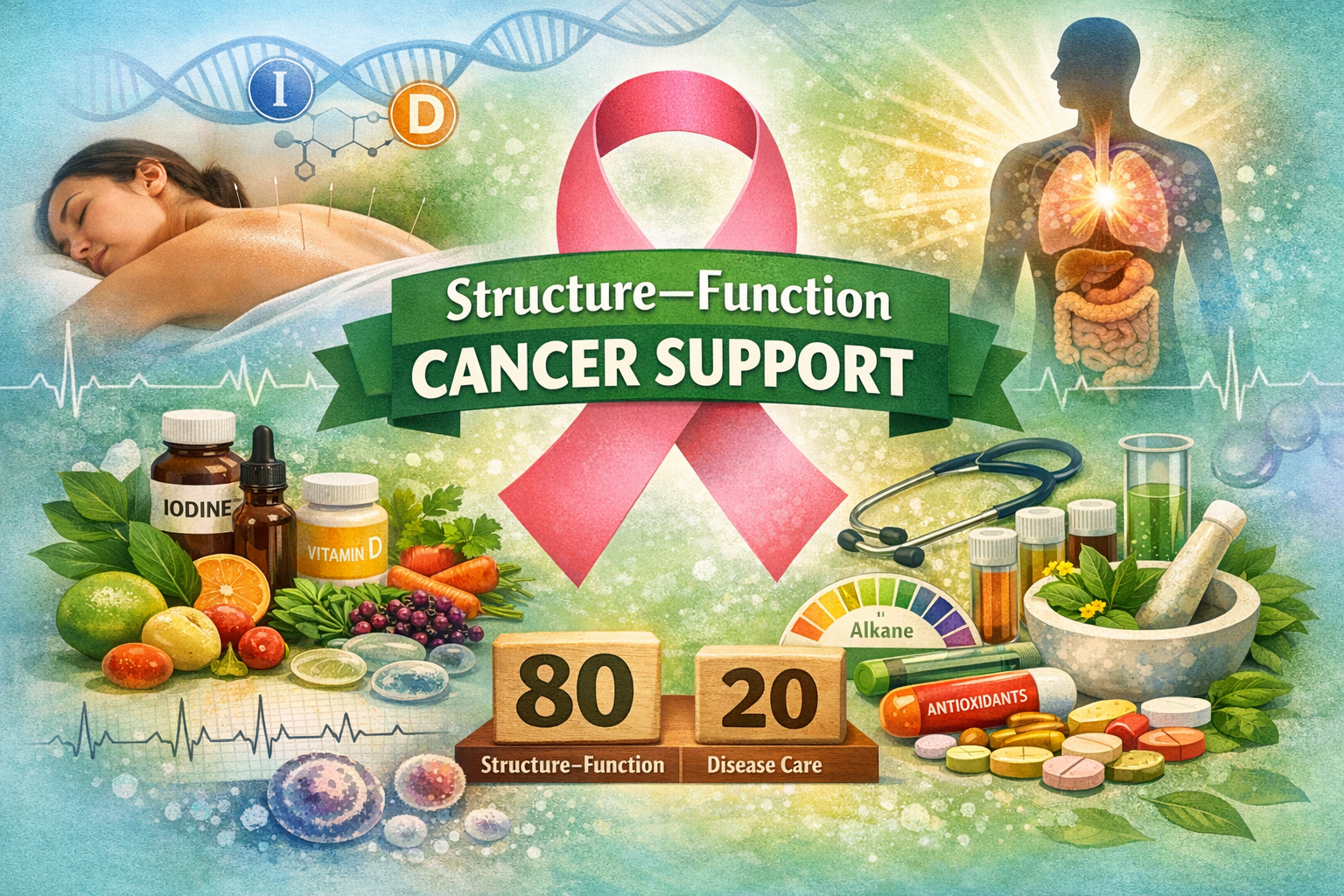
Cancer does not develop overnight, it emerges when the body loses balance. In Part Two of our four-part cancer series, we explore how Structure–Function Healthcare supports the body during cancer by addressing nutrition, minerals, detoxification, immune function, energy flow, and cellular resilience. Learn how restoring homeostasis can complement conventional oncology care and support the body’s natural capacity to heal.
Cancer, Part 1: The Problem — What Cancer Is, Why It Happens, and What You Can Do About It
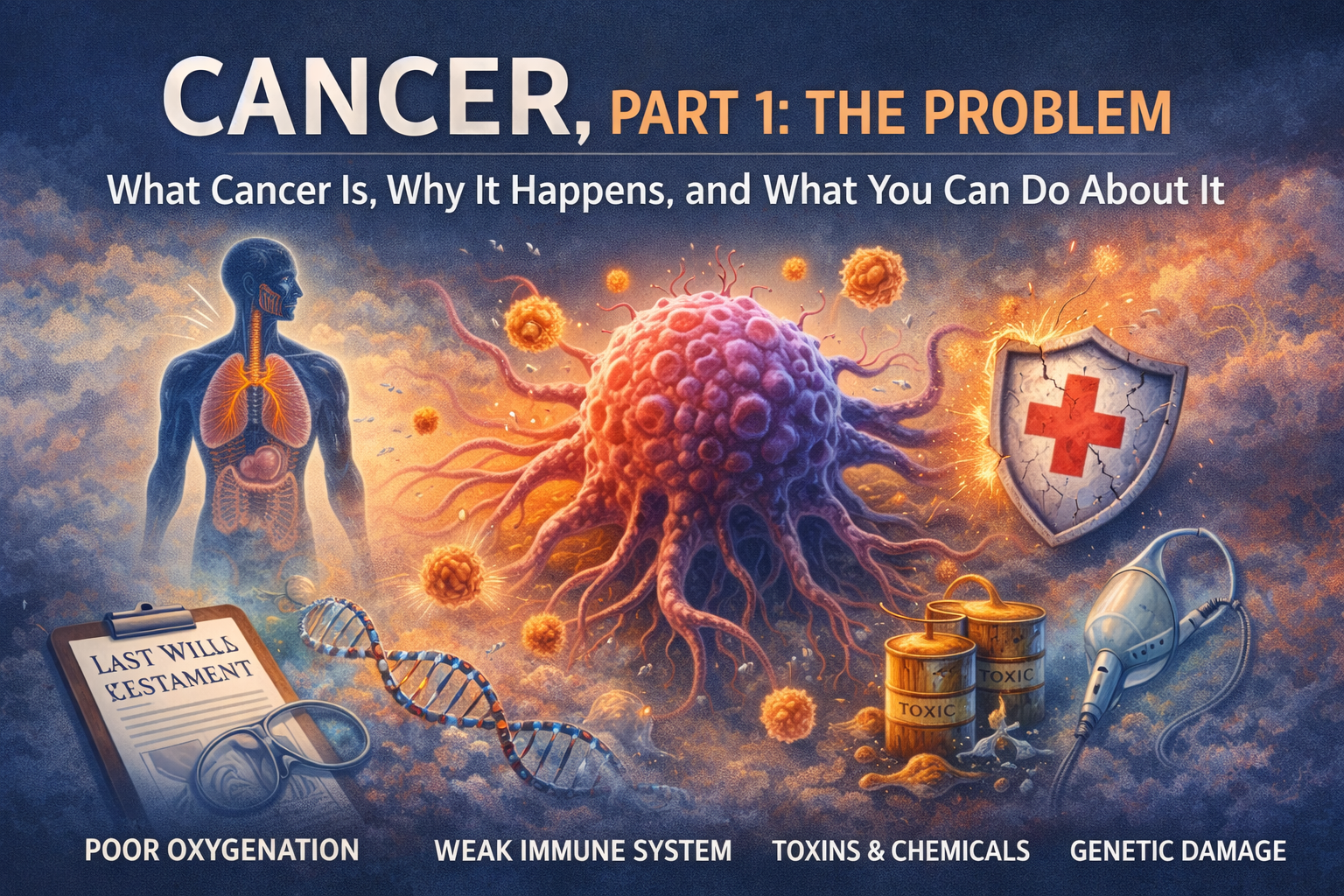
Cancer is the #2 cause of mortality and it’s not as simple as “bad luck.” Learn what cancer is, why it can start, and the key body systems that help keep it in check.