Stroke Diagnostics: The Tests That Could Save Your Brain
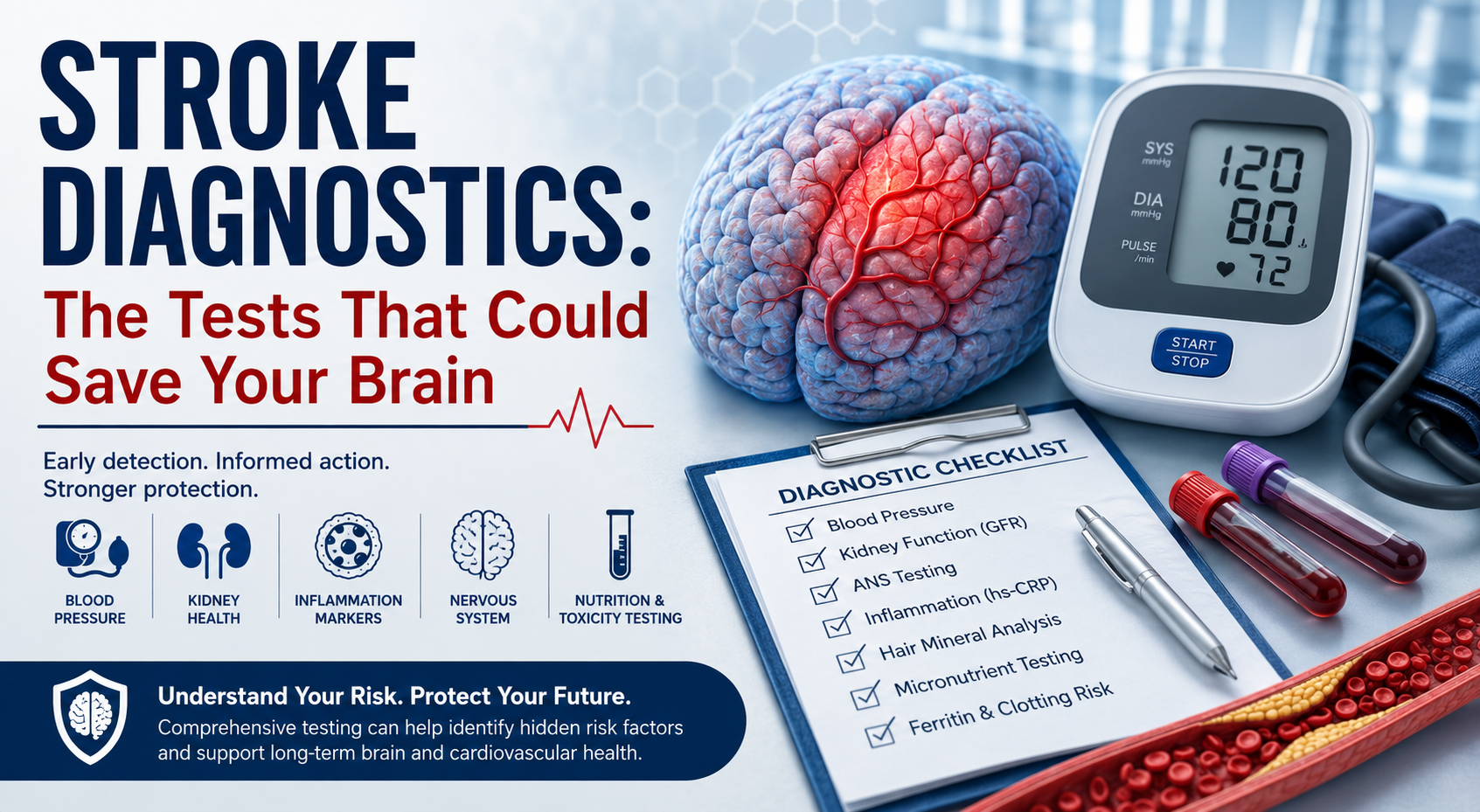
Stroke remains one of the leading causes of death and disability in the United States. While it is the third leading cause of death for women and the fourth for men, prevention is often possible when risk factors are identified early. According to Dr. Robert Prather, understanding the underlying causes of stroke is just as important as recognizing the symptoms.
In this episode of The Voice of Health, Dr. Prather discusses the most important diagnostic tools for stroke prevention and explains how a comprehensive evaluation can help uncover hidden risk factors before a stroke occurs.
Blood Pressure: The Most Important Stroke Screening Tool
If there is one test that everyone should know, it's their blood pressure.
Hypertension, often called the "silent killer," typically produces no symptoms until significant damage has already occurred. Many people are unaware they have high blood pressure until it is discovered during a routine screening.
Normal blood pressure is considered:
120/80 mmHg or lower – Normal
120–129 systolic with diastolic below 80 – Elevated
130–139 systolic or 80–89 diastolic – Stage 1 Hypertension
140/90 or higher – Stage 2 Hypertension
180/120 or higher – Hypertensive Crisis (medical emergency)
The higher the blood pressure climbs, the greater the risk of damaging blood vessels and increasing the likelihood of stroke.
Why Every Minute Matters During a Stroke
A stroke occurs when blood flow to part of the brain is interrupted.
Dr. Prather emphasizes a startling statistic:
Every minute that blood flow is cut off to the brain, approximately two million brain cells die.
Because of this, immediate medical attention is critical. If stroke symptoms appear, seeking emergency care right away can dramatically improve outcomes and reduce permanent damage.
Looking Beyond "Essential Hypertension"
Approximately 90–95% of hypertension cases are labeled as "essential" or "primary" hypertension, meaning no specific cause has been identified.
Dr. Prather takes a different approach.
Rather than accepting high blood pressure as a diagnosis in itself, he focuses on discovering why blood pressure is elevated.
Some of the most common contributors include:
Kidney dysfunction
Arterial stiffness
Inflammation
Mineral imbalances
Nervous system dysfunction
Hormonal imbalances
Poor nitric oxide production
Identifying the root cause allows for more targeted and effective treatment strategies.
The Kidney Connection
One of the most overlooked causes of hypertension may be the kidneys.
The kidneys help regulate blood pressure through filtration and fluid balance. A key measurement is the Glomerular Filtration Rate (GFR), which reflects how efficiently the kidneys filter blood.
According to Dr. Prather:
Optimal kidney function is generally above 90%.
Many individuals with hypertension have significantly reduced kidney function.
As kidney function improves, blood pressure often improves as well.
Research suggests that kidney dysfunction may contribute to nearly 70% of hypertension cases, making kidney health a critical factor in stroke prevention.
The Autonomic Nervous System Test (ANS)
One of the primary diagnostic tools used at Holistic Integration is the Autonomic Nervous System (ANS) Test.
This non-invasive evaluation measures how well the autonomic nervous system regulates key body functions, including:
Blood pressure regulation
Heart rhythm
Nitric oxide production
Vascular flexibility
Sympathetic and parasympathetic balance
Vagal nerve function
The test involves simple electrode measurements while changing positions and can provide valuable information about cardiovascular and neurological health.
Why Nitric Oxide Matters
Nitric oxide is a molecule that helps relax blood vessels and maintain healthy circulation.
Low nitric oxide levels can contribute to:
Arterial stiffness
Elevated blood pressure
Reduced circulation
Increased stroke risk
Nutrients such as L-arginine and L-citrulline play important roles in nitric oxide production and may help support vascular health.
Inflammation: A Major Stroke Risk Factor
Chronic inflammation is increasingly recognized as one of the strongest predictors of cardiovascular disease and stroke.
One of the most important laboratory markers is:
High-Sensitivity C-Reactive Protein (hs-CRP)
This blood test measures inflammation within the body and blood vessels.
General guidelines include:
Below 1.0 = Optimal
Above 3.0 = Significantly increased risk
Higher levels correlate with increased risk for stroke and heart disease
Inflammation can be driven by:
Insulin resistance
Elevated blood sugar
Oxidative stress
Chronic infections
Poor nutrition
Monitoring and reducing inflammation is one of the most effective ways to lower stroke risk.
Arterial Stiffness and Atherosclerosis
Healthy arteries should be flexible and responsive.
When arteries become stiff or narrowed due to plaque buildup, blood flow becomes restricted, increasing the likelihood that a clot can block circulation to the brain.
Factors that contribute to arterial stiffness include:
Low nitric oxide
Chronic inflammation
Mineral imbalances
Heavy metal toxicity
Poor fatty acid status
Aging
Supportive nutrients often discussed include:
Fish oils
Ginkgo biloba
Gotu kola
Magnesium
Proper mineral balance
Maintaining arterial flexibility is an important part of preserving cardiovascular and brain health.
The Vagus Nerve and Blood Pressure
Many people don't realize that the nervous system plays a significant role in blood pressure regulation.
The vagus nerve helps regulate:
Heart rate
Blood vessel tension
Kidney function
Hormonal signaling
Stress response
When the autonomic nervous system becomes imbalanced, blood pressure can remain elevated despite medication.
This is one reason a comprehensive neurological assessment may be valuable for individuals whose hypertension remains difficult to control.
Hair Analysis: Identifying Hidden Toxicities
Hair mineral analysis can provide insight into:
Heavy Metals
Aluminum
Mercury
Lead
These toxic metals may contribute to:
Arterial stiffness
Kidney dysfunction
Increased inflammation
Stroke risk
Mineral Imbalances
Copper balance is particularly important.
Dr. Prather notes that both excessively low and excessively high copper levels may negatively affect blood vessel integrity.
Women taking hormonal birth control may be especially vulnerable to mineral imbalances that can influence vascular health and stroke risk.
Micronutrient Testing
Optimal nutrition is essential for healthy circulation and cellular function.
Micronutrient testing helps identify deficiencies in:
Vitamins
Minerals
Amino acids
Antioxidants
Nutrient deficiencies can contribute to:
Oxidative stress
Free radical damage
Blood vessel injury
Poor circulation
Increased inflammation
Addressing deficiencies helps support healthy blood flow and reduce stroke risk.
Ferritin, Blood Thickness, and Clotting Risk
Ferritin measures iron storage within the body.
Excessively elevated ferritin levels may contribute to:
Thicker blood
Increased clotting risk
Higher stroke risk
Cardiovascular disease
Additional blood markers often evaluated include:
Hemoglobin A1c
Homocysteine
Fibrinogen
Red blood cell distribution width (RDW)
Together, these tests provide a clearer picture of clotting risk and vascular health.
Prevention Starts with Proper Testing
Stroke prevention is about far more than simply checking blood pressure.
A comprehensive evaluation may include:
Blood pressure monitoring
Kidney function testing (GFR)
Autonomic Nervous System Testing
Inflammatory markers (hs-CRP)
Blood sugar and insulin evaluation
Hair mineral analysis
Micronutrient testing
Cardiovascular screening
By identifying hidden imbalances before symptoms develop, many stroke risk factors can be addressed proactively.
Final Thoughts
Stroke often appears suddenly, but the underlying causes usually develop over years.
High blood pressure, inflammation, arterial stiffness, kidney dysfunction, nutritional deficiencies, nervous system imbalances, and toxic exposures can all contribute to increased risk.
The good news is that many of these factors can be measured, monitored, and improved.
Prevention begins with awareness, proper testing, and taking action before a crisis occurs.