Cancer & Diagnostics: Why Early Testing Saves Lives
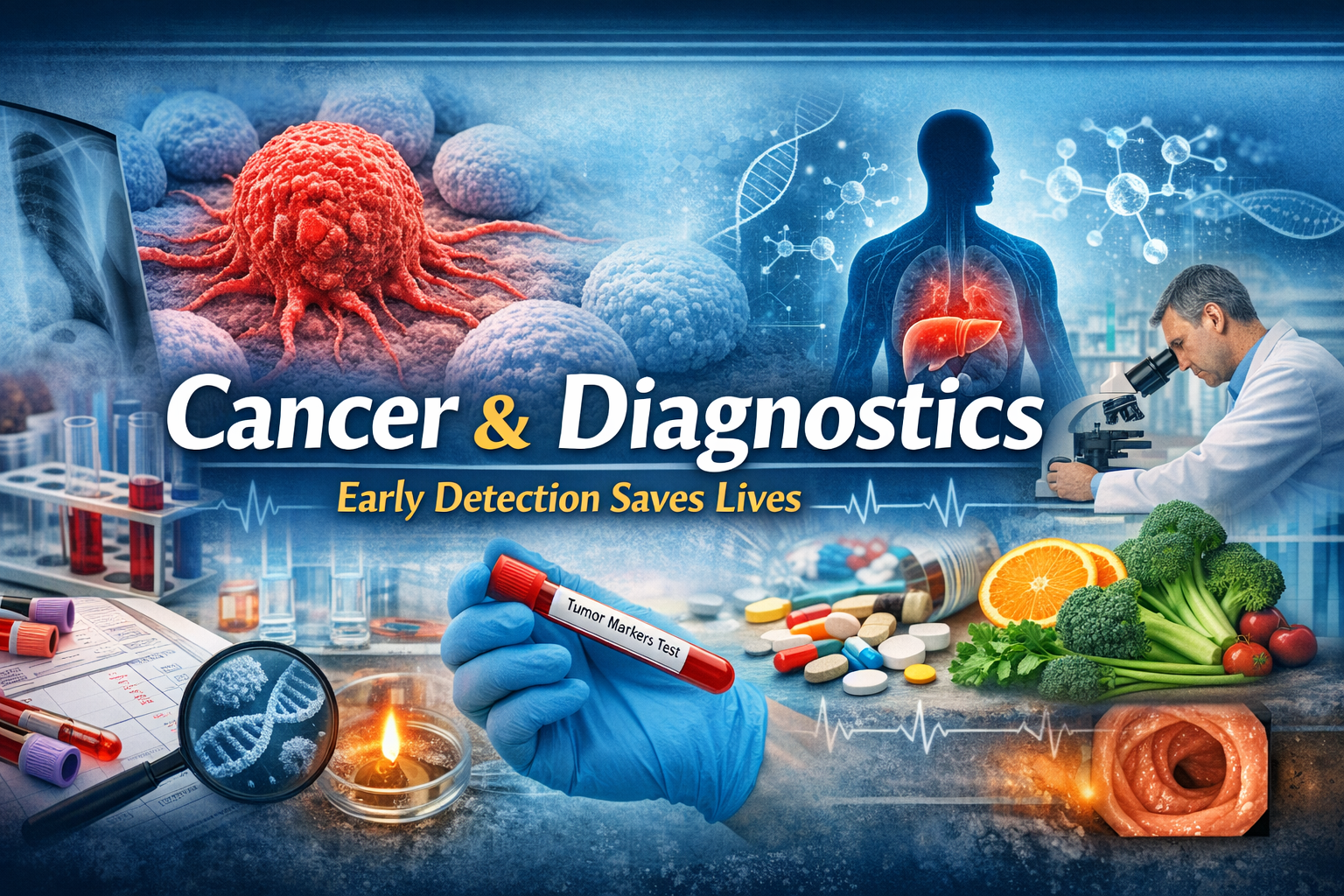
In our four-part series on the top killers, we’ve already covered cardiovascular disease. Now we turn to the second leading cause of death: cancer—and specifically, why diagnostics are so critical in both prevention and care.
At Holistic Integration and through the Voice of Health message, we believe one truth stands out clearly:
The earlier you detect cancer, the better your outcome.
Think of cancer like a fire in a house.
If it’s still in the wastebasket, it’s relatively easy to put out.
If it has engulfed the entire house, the battle is much harder.
Early detection saves lives. And we are better at early detection today than ever before.
Why Diagnostics Matter So Much
Diagnostics serve two essential purposes:
Early Detection – Identifying cancer as early as possible dramatically improves outcomes.
Physiology Assessment – Understanding how the body is functioning so we can support it structurally and nutritionally.
Cancer care is not just about identifying a tumor. It’s about evaluating:
Liver function
Oxygenation status
Immune strength
Heavy metal burden
Nutrient deficiencies
Gut health
As discussed in The Eight Pillars of Perfect Health, annual comprehensive testing—including blood work, hair analysis, and stool testing—is foundational to prevention and optimal health Chapter 6-Nutrition.
The Most Critical Diagnostic: Blood Work
Blood work is often called the blueprint of your health.
It shows us:
Inflammation
Cellular destruction
Immune strength
Liver stress
Nutrient deficiencies
Patterns consistent with cancer physiology
Liver Enzyme Patterns
One powerful example is liver enzyme evaluation:
ALT usually rises first in typical liver inflammation.
In cancer-related patterns, AST may exceed ALT.
If GGT rises higher than AST, concern increases further.
LDH (lactate dehydrogenase) can indicate cellular destruction.
These patterns matter. Cancer physiology often reverses normal inflammatory patterns.
This level of lab interpretation requires extensive training. A Diplomate in the American Board of Chiropractic Internists (DABCI) completes hundreds of hours specifically studying laboratory analysis—far beyond standard baseline training.
Cellular Destruction & Growth Markers
LDH – Marker of Cell Destruction
LDH rises when cells are being destroyed.
We must rule out injury or exercise—but persistently elevated LDH requires investigation.
Alkaline Phosphatase – Marker of Cellular Growth
High in children (growth phase), but concerning in older adults without explanation.
Cancer may show either:
Excess cellular destruction
Excess cellular growth
Or both
Patterns tell the story.
Oxygenation & Anemia
Cancer thrives in low oxygen environments.
If someone is anemic:
Oxygen delivery drops.
Immune efficiency declines.
Cancer survival improves.
Optimizing oxygenation is critical in both prevention and treatment support.
Liver Function & Detoxification
The liver is central in cancer care.
It detoxifies carcinogens.
It processes chemotherapy.
It regulates cholesterol.
It supports immune balance.
If liver enzymes become too elevated during cancer treatment, oncologists often pause therapy to allow recovery.
We aim to:
Keep liver enzymes in optimal ranges (typically 18–30 for ALT, AST, GGT)
Reduce toxic burden
Support detoxification safely
Aggressive “detoxes” found online can overwhelm the liver. Restoration must be guided and monitored.
The Immune System: The Real Battlefield
Everyone has cancer cells.
The difference is immune response.
Studies show that the number of cancer cells present is less important than immune strength.
Viruses, bacteria, parasites, and toxins:
Weaken immune surveillance
Increase inflammatory stress
Promote mutagenesis
Strengthening immune function is foundational.
Tumor Markers: Monitoring Direction
Tumor markers are blood tests that may indicate cancer activity.
While they do not replace biopsy diagnosis, they help:
Identify risk early
Monitor progression
Evaluate response to care
Watching trends is powerful. Even slight upward shifts can signal that something needs to change.
Hair Analysis: Heavy Metals & Cancer Risk
Hair analysis evaluates tissue mineral levels.
Certain heavy metals are carcinogenic:
Cadmium
Mercury
Lead
Nickel
Beryllium (notably linked to Agent Orange exposure)
Reducing heavy metal burden can:
Lower cancer risk
Improve treatment outcomes
Reduce recurrence likelihood
This is an often-overlooked diagnostic tool in conventional oncology.
GI Stool Testing: The Gut-Cancer Connection
The gut influences:
Immune strength (80% surrounds the gut)
Liver stress
Toxin load
Nutrient absorption
Parasites and certain infections have been linked to colon cancer development. Addressing gut dysfunction can dramatically change outcomes.
As emphasized in The Eight Pillars of Perfect Health, annual GI evaluation is recommended for optimal prevention Chapter 6-Nutrition.
Micronutrient Testing
Approximately 60–65% of cancers are diet-related, according to major medical sources.
Micronutrient testing identifies:
Vitamin A deficiencies (extremely common)
B vitamin imbalances
Zinc insufficiency
Vitamin D levels
Iodine status
Only 5–10% of cancers are considered purely genetic and unavoidable.
That means the majority are influenced by lifestyle, nutrition, and environment.
Iodine & Breast Cancer
Iodine plays a major role in breast and prostate tissue health.
Research shows:
Fibrocystic breast disease often improves with iodine.
Adequate iodine levels may reduce breast cancer risk.
However, testing is essential—balance matters.
Vitamin D: Powerful but Monitor Carefully
Vitamin D supports:
Immune function
Cellular regulation
Anti-cancer pathways
But excessive supplementation can cause liver stress. Blood monitoring is critical.
Genetic Testing: Prevention Tool, Not Fear Tool
Genetic testing should guide:
Nutrient support
Preventive lifestyle adjustments
Closer monitoring
It should not automatically trigger radical procedures unless clinically indicated.
Recommended Screening
Follow established guidelines:
Annual physical exams
Yearly blood work
Mammograms
Pap smears
Colonoscopies
Prostate screening when appropriate
Screening has dramatically reduced cancer mortality by enabling earlier intervention.
The Bigger Picture
Cancer care is not just about removing a tumor.
It is about:
Optimizing physiology
Strengthening immune response
Supporting detoxification
Improving oxygenation
Balancing nutrients
Reducing toxic burden
Monitoring intelligently
Diagnostics give us the roadmap.
When used proactively—not reactively—they become one of the most powerful tools we have in preventing and managing cancer.