Falls After 65: Why Balance, Strength, and Prevention Matter More Than Ever
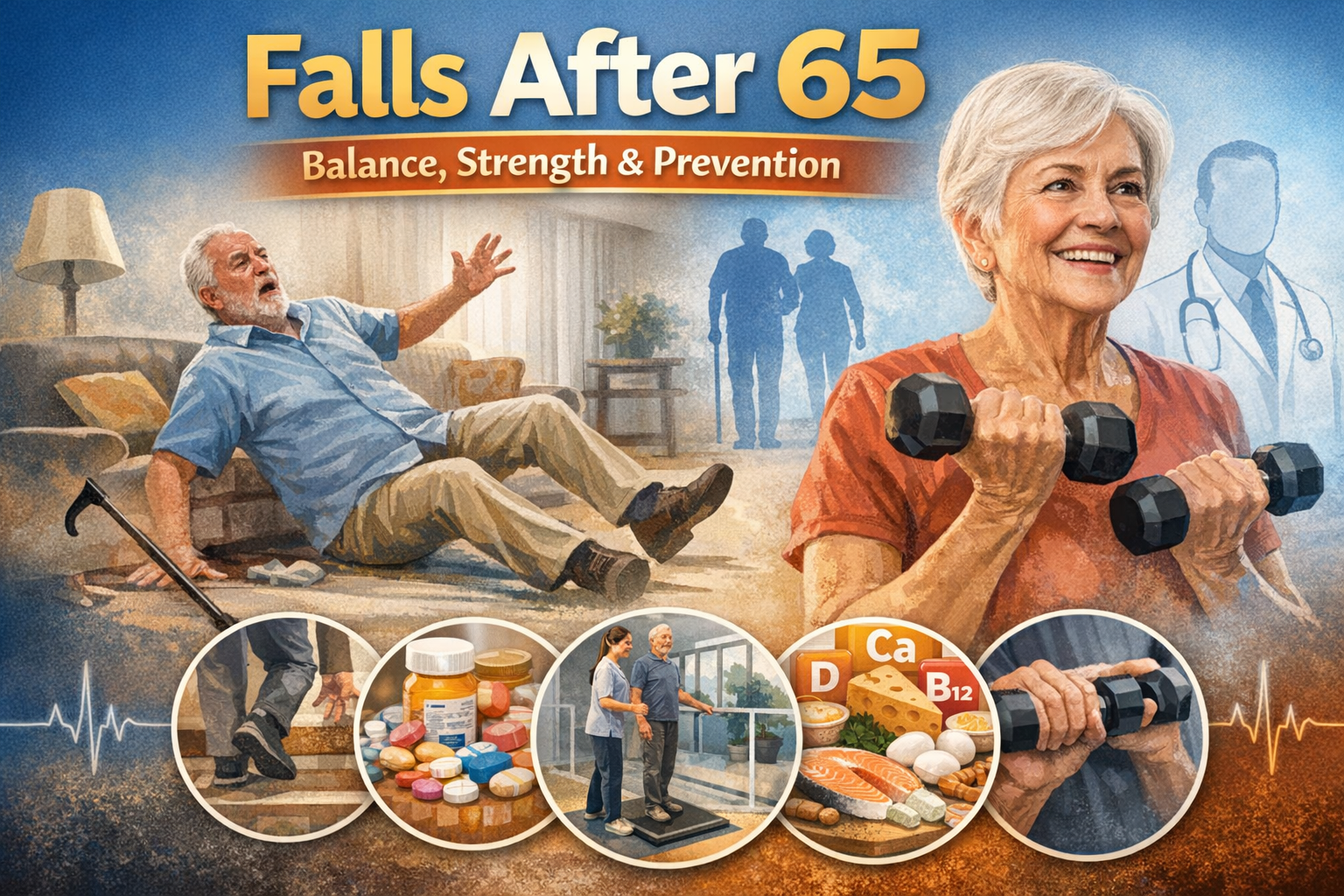
Falls are often brushed off as an unfortunate part of aging, but the truth is far more serious. In the United States, falls are one of the leading causes of unintentional injury deaths, especially for adults age 65 and older. What may seem like “just one bad fall” can quickly become the beginning of a much larger decline in health, confidence, and independence.
On this episode of The Voice of Health, Dr. Robert Prather and Lisa Prather continued their series on the third leading cause of death in America: unintentional injuries. This segment focused specifically on falls, why they happen, what increases the risk, and how a proactive, structure-function approach may help people stay stronger, steadier, and safer as they age.
Why Falls Are Such a Big Deal
According to Dr. Prather, one in three adults age 65 and older will experience a serious fall. And when he says “serious,” he is not talking about a minor stumble or bumped elbow. He means a fall that leads to hospitalization, major injury, or even death.
That alone is sobering, but the problem goes even deeper. Once someone has one fall, they become two to three times more likely to fall again. Falls also come with an enormous financial cost, totaling billions of dollars each year. A hospital stay after a fall can average several days and cost tens of thousands of dollars.
More importantly, the physical, emotional, and functional toll can be life-changing.
Who Is Most at Risk?
While anyone can fall, adults over 65 are at the highest risk for life-threatening falls. As people age, several natural changes can increase fall risk, including:
loss of muscle mass
reduced balance and coordination
dizziness or fainting
slower reaction time
poor vision or hearing
nutritional deficiencies
medication side effects
Dr. Prather explained that the body loses muscle more quickly with age, especially if movement becomes limited. In older adults, even a short period of inactivity can lead to noticeable muscle loss. Over time, that loss of strength can make simple daily tasks much more difficult and increase the chances of instability.
The Fear of Falling Can Make Falls More Likely
One of the most interesting points in this discussion was the role fear plays in fall risk.
When someone becomes afraid of falling, they often begin moving more cautiously, stiffly, or less naturally. They may also start avoiding activities that help maintain balance and strength, like using stairs, walking on uneven surfaces, or engaging in exercise. Over time, that fear leads to less movement, less confidence, and weaker muscles — all of which can make a fall more likely.
In other words, fear itself can become part of the problem.
Major Causes of Falls
Dr. Prather identified several common contributors to falls:
1. Mobility and balance problems
Weakness, dizziness, instability, poor coordination, and fainting all increase fall risk. Balance problems are often more noticeable than people realize.
2. Medications
Prescription and over-the-counter medications can play a major role. Blood pressure medications, sleep aids, antidepressants, antipsychotics, muscle relaxants, and even some cold and cough medicines may affect alertness, blood pressure, coordination, and balance.
Polypharmacy — taking multiple medications at once — is especially concerning. Dr. Prather noted that taking five or more medications significantly increases the likelihood of balance issues and falls.
3. Poor hearing and vision
Hearing affects more than communication. It also influences proprioception, or your body’s awareness of where it is in space. Vision loss can make it harder to judge surfaces, steps, obstacles, and movement.
4. Nutritional deficiencies
Nutrition matters greatly when it comes to bone health, nerve function, muscle strength, and cognition. Dr. Prather highlighted vitamin D, protein intake, and B vitamins — especially B12 — as important factors.
5. Muscle wasting
Age-related muscle loss, known as sarcopenia, is a major cause of weakness and instability. Without regular movement and resistance training, muscle mass naturally declines with age.
Why Strength Training Matters
One of the strongest themes in the episode was the importance of preserving muscle.
Dr. Prather and Lisa discussed their own experience with resistance training and how valuable it has been to work with a trainer who can safely guide progress. Strength training is not just about building muscle for appearance. It is essential for protecting balance, maintaining independence, and preventing injuries.
When done appropriately, resistance training may help:
improve coordination
preserve muscle mass
increase confidence in movement
strengthen stabilizing muscles
reduce fall risk
make everyday tasks easier
Balance-based exercises combined with strength work can be especially helpful.
Medications and Fall Risk: An Overlooked Connection
The conversation also highlighted a topic many people may not consider: some medications can increase fall risk in subtle ways.
Dr. Prather pointed out that cholesterol-lowering medications may affect cognitive function and cellular repair if cholesterol becomes too low. He also emphasized the effects of cardiovascular drugs, sleep aids, antidepressants, and muscle relaxants.
This does not mean someone should stop medication on their own. It does mean medication lists should be reviewed carefully, especially in older adults who have had falls, dizziness, or changes in balance.
Nutritional Deficiencies That Can Increase Risk
Nutrition plays a foundational role in fall prevention.
Vitamin D was discussed as particularly important, not only for supporting bone health, but also for helping with balance and cognitive function. Protein intake also matters because muscle maintenance becomes harder with age. If protein intake is too low, muscle loss accelerates.
B12 deficiency and other nutrient imbalances can contribute to neuropathy, poor coordination, and weakness. These kinds of deficiencies may quietly increase risk over time if they are not identified and addressed.
When Should You Get Your Balance Checked?
Dr. Prather’s answer was simple: earlier than most people think.
You do not need to wait until after a fall to assess balance. In fact, prevention is far more effective than trying to recover after an injury. Even adults younger than 65 may benefit from evaluating balance, strength, flexibility, and stability before major problems show up.
A few early signs of poor balance may include:
swaying while standing still
widening your stance to feel stable
touching walls or furniture while walking
stumbling on stairs or curbs
feeling wobbly in the dark
difficulty standing on one leg
grabbing for support more often
These patterns are often dismissed as “normal aging,” but they can be early warning signs.
A Structure-Function Approach to Balance
Later in the program, Dr. Dodge and Alana from Holistic Integration described the office’s performance-based balance evaluation and therapy approach.
Their assessment looks at:
two-leg and one-leg balance
dynamic balance while moving
foot structure and foot stability
shoulder and hip flexibility
grip strength
toe strength
cognitive sharpness and memory
This approach recognizes that balance is not just about the inner ear or one isolated system. It is influenced by foot structure, muscle strength, flexibility, coordination, posture, and even cognition.
They also emphasized the role of orthotics when foot structure is part of the problem. Proper support for the three arches of the foot may help improve stability from the ground up.
A Real Patient Story
One of the most encouraging parts of the episode came from Mary, a patient who shared her experience in Holistic Integration’s balance program.
She initially came in because of shortness of breath, but during her evaluation, balance issues were also identified. Through balance therapy, orthotics, and individualized care, she noticed major improvement not only in balance, but in her breathing and daily function.
She shared that her shortness of breath improved significantly and that everyday tasks like standing, walking, getting in and out of the car, and standing in place for long periods became much easier. She also described feeling more stable and less fearful of falling.
Her story is a reminder that improving balance can affect far more than just fall prevention. It can improve confidence, mobility, quality of life, and overall well-being.
Falls Are Not Something to Ignore
Many people assume balance decline is just part of getting older. But loss of strength, flexibility, coordination, and confidence should not be ignored. The earlier these issues are identified, the more can often be done to improve them.
Falls can change a life in an instant. But proactive care, strength training, balance work, nutritional support, and individualized evaluation may help reduce risk and preserve independence.
Final Thoughts
If you or someone you love is over 65, has noticed weakness, dizziness, unsteadiness, or a growing fear of falling, now is the time to pay attention. A fall is not always a random accident. Often, it is the result of underlying issues that have been building for years.
The good news is that many of those issues can be assessed and supported before a crisis happens.
Prevention matters. Strength matters. Balance matters. And staying active may be one of the most important investments you can make in long-term health and independence.