

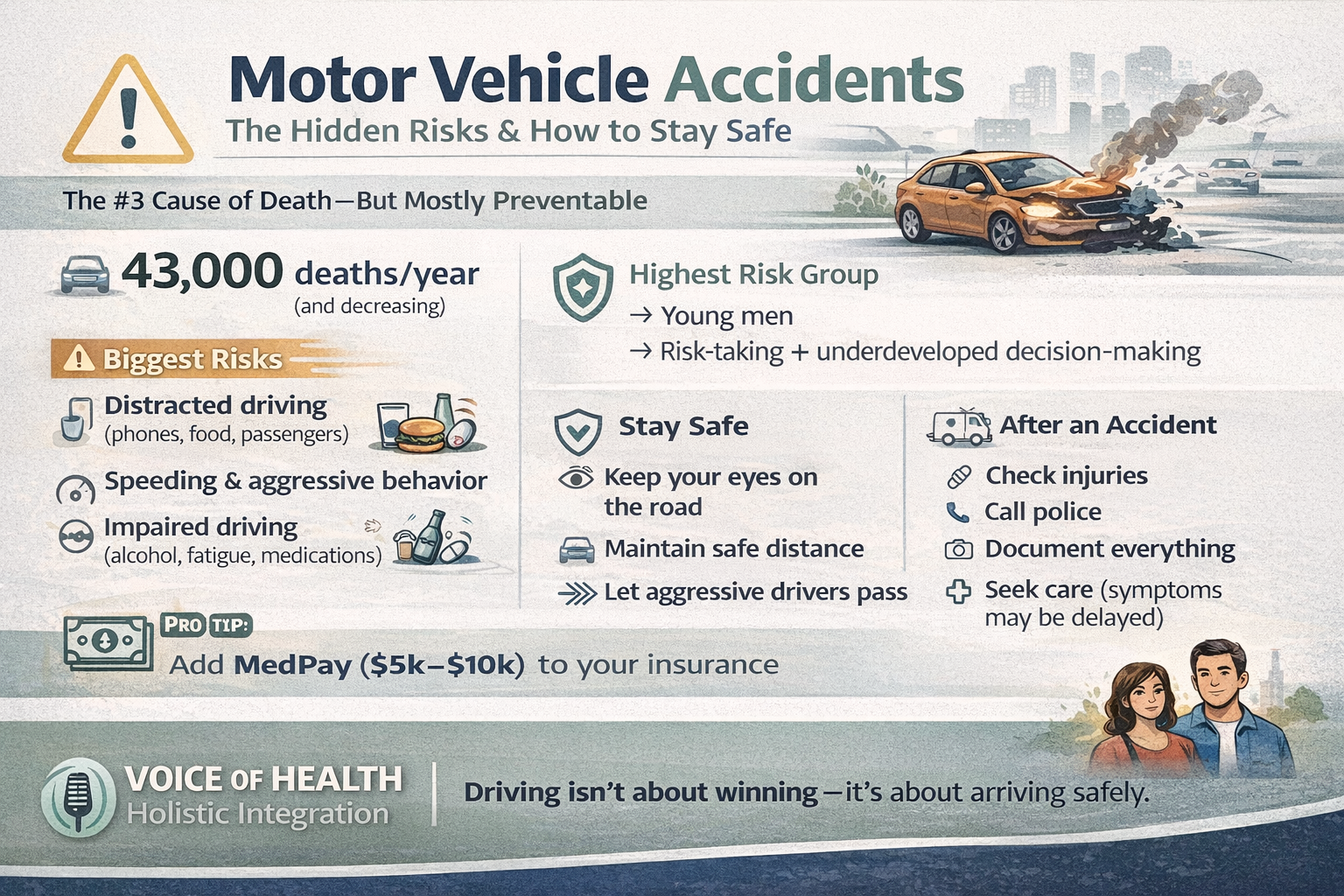
Motor Vehicle Accidents: The Hidden Risks & How to Stay Safe
Every year, tens of thousands of lives are lost to motor vehicle accidents, yet many of these tragedies are entirely preventable. The biggest contributors aren’t mechanical failures, but human behaviors: distraction, impaired driving, and aggressive decision-making behind the wheel.
What’s often overlooked is the connection between our internal state and how we show up on the road. Stress, fatigue, and emotional overload can impair judgment just as much as substances can. As Dr. Prather teaches, our mental and emotional patterns - our “beatitudes” - don’t just shape our thoughts, they influence our physiology and behavior in real time.
When we’re overwhelmed or reactive, we’re more likely to speed, lose focus, or make risky decisions. But when we operate from a grounded, aware state, our driving becomes safer, calmer, and more intentional.
Safety on the road isn’t just about rules it’s about regulation. Keeping your eyes on the road, maintaining distance, and allowing space for others are not just driving strategies; they are reflections of a regulated nervous system.
Because ultimately, driving isn’t about getting there faster, it’s about getting there safely.
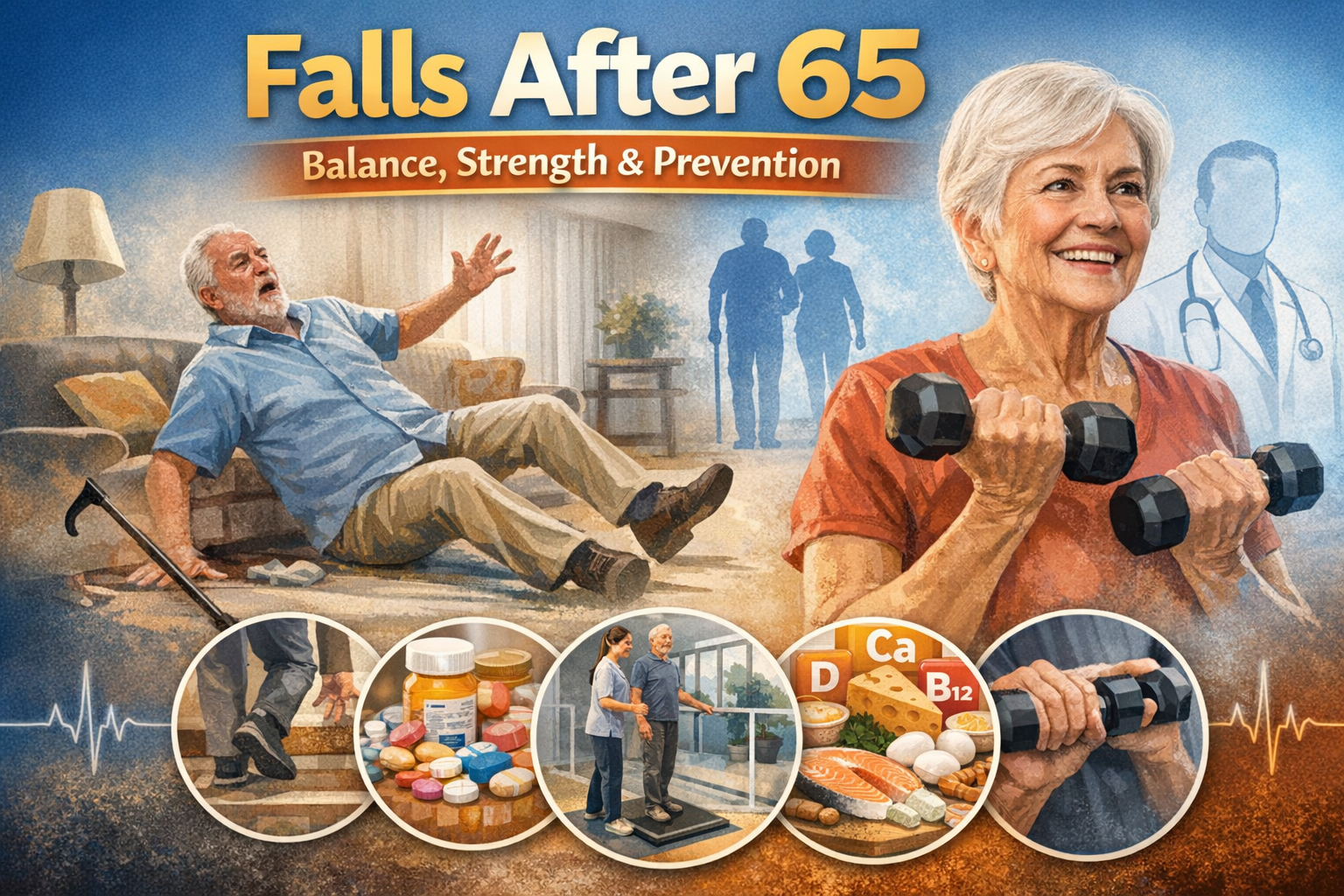
Falls After 65: Why Balance, Strength, and Prevention Matter More Than Ever
Falls after 65 are one of the leading causes of injury, loss of independence, and hospitalization in older adults.
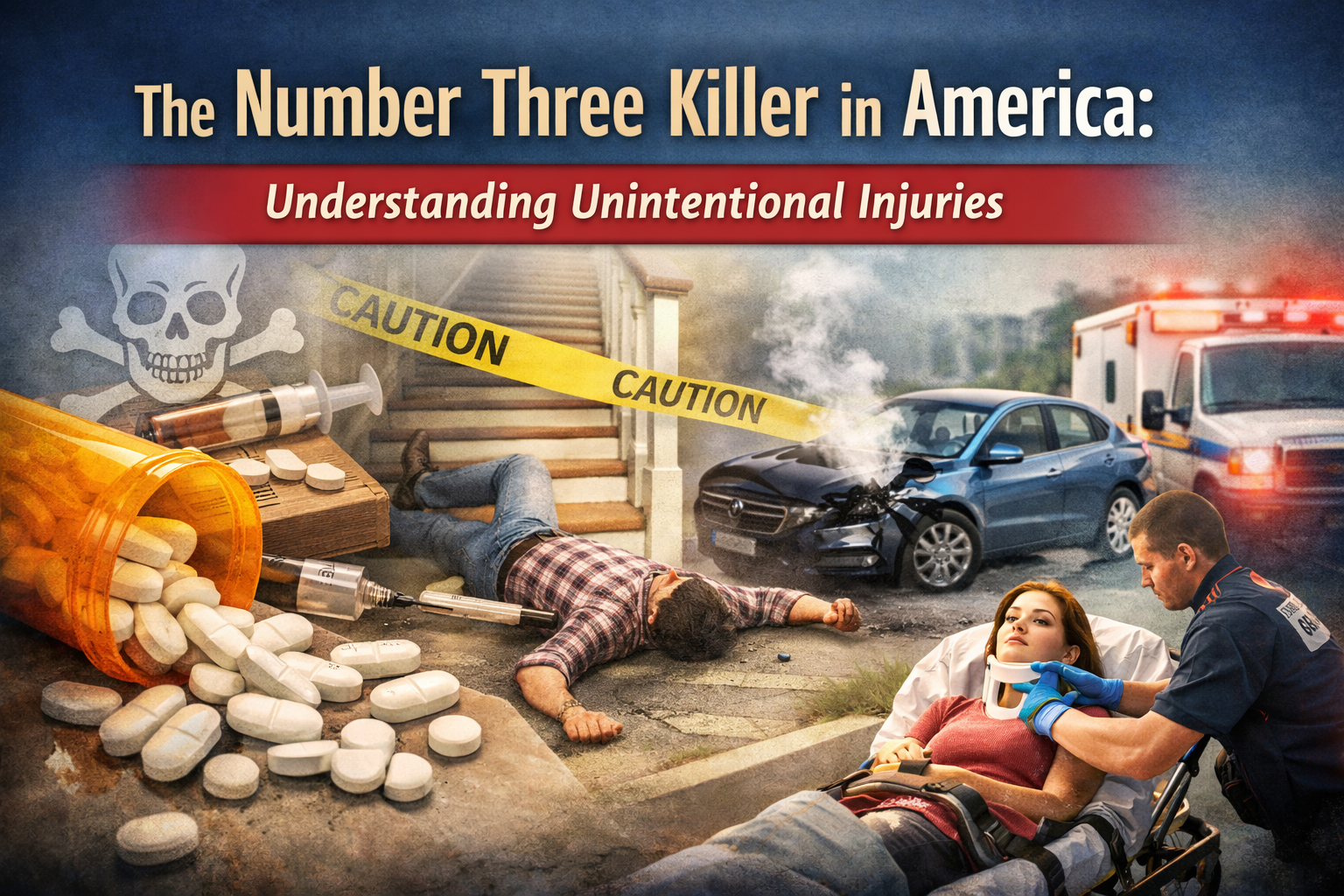
The Number Three Killer in America: Understanding Unintentional Injuries
Unintentional injuries are the third leading cause of death in the United States, yet many people don’t realize how often everyday accidents, like falls, car crashes, and medication mistakes, lead to serious harm. Understanding the most common causes of these injuries and how to prevent them can dramatically reduce risk and help protect you and your family.